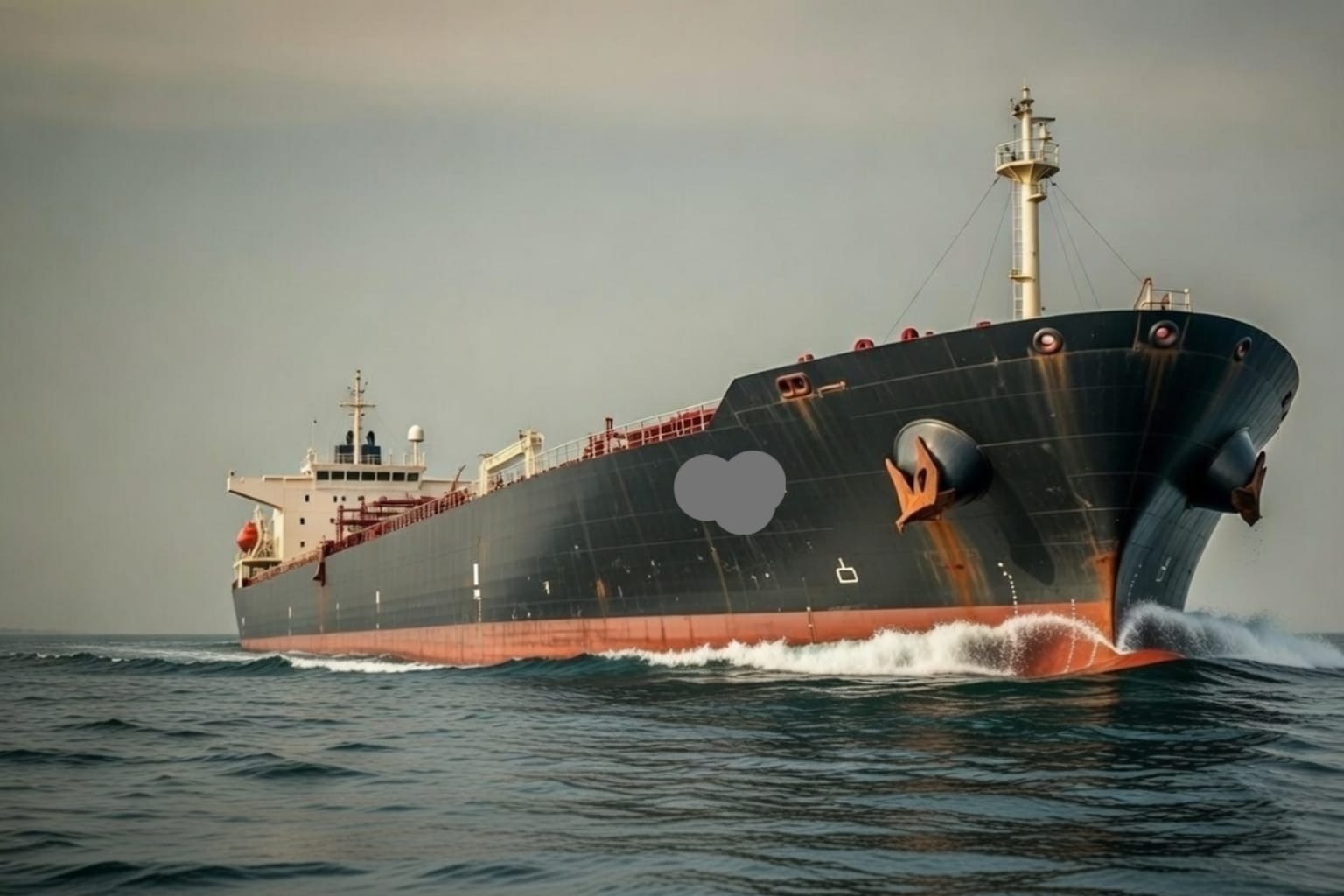
A widening conflict in the Middle East could disrupt key shipping routes and push global energy costs higher.
U.S. Strikes on Iran Raise
A new round of U.S. military strikes against Iran is raising concerns across global energy markets, with analysts warning that the fallout could be far more significant than earlier actions targeting Venezuela.
While financial markets have seen tensions before, Iran’s strategic role in global oil trade means any prolonged conflict could have broader consequences — from rising crude prices to higher costs at the gas pump.
Why Iran Matters More to Global Energy Markets
Iran is one of the world’s major oil producers and a member of the Organization of the Petroleum Exporting Countries (OPEC). Beyond its production capacity, the country occupies a critical geographic position along the Strait of Hormuz — a narrow waterway that handles roughly one-fifth of the world’s oil and natural gas shipments.
Energy analysts say that location alone makes any military escalation particularly sensitive for global markets. A disruption in the strait could affect supplies not only from Iran, but also from Saudi Arabia, the United Arab Emirates and other Gulf producers that rely on the route to ship crude to Asia, Europe and North America.
This distinguishes the current situation from earlier U.S. actions in Venezuela. Although Venezuela is also a major oil producer, its exports do not move through such a concentrated and strategically vital passage.
Oil Prices Already Responding
Oil prices have already shown signs of reacting to the tensions. U.S. benchmark crude rose to about $67 per barrel ahead of the strikes, roughly $5 higher than a month earlier. Analysts at Barclays said Brent crude — the global benchmark — could approach $80 per barrel if hostilities between Washington and Tehran intensify.
Although U.S. markets were closed at the time of the latest developments, traders had been pricing in the possibility of military action. Energy experts note that even the threat of supply disruptions can drive volatility in oil markets.
If prices climb further, consumers could begin to feel the impact within weeks. Higher crude prices typically translate into increased gasoline and diesel costs. For American households already navigating inflation concerns, rising fuel prices could add pressure to monthly budgets.
Businesses that depend heavily on transportation — including airlines, trucking companies and delivery services — could also face higher operating costs.
Risk of Broader Regional Escalation
U.S. officials have indicated that the military operation may extend beyond a single day, describing it as part of a broader coordinated campaign. Iran has already launched retaliatory actions targeting U.S. military sites in the region.
Geopolitical analysts warn that Tehran could respond in ways that directly affect global shipping. In past confrontations, Iranian officials have threatened to interfere with traffic through the Strait of Hormuz. Measures such as deploying naval mines, using drones, or targeting tankers could sharply raise shipping insurance costs and potentially limit the movement of oil.
There is also concern that energy infrastructure in neighboring countries could become targets. In 2019, drone attacks struck major Saudi oil facilities, temporarily cutting production. Similar incidents today could further tighten supplies.
China could also be drawn more deeply into the situation. It purchases the vast majority of Iran’s exported crude — estimated at about 1.5 million barrels per day. Any disruption to those flows could affect Chinese refiners and potentially influence global trade dynamics.
Political Debate at Home
The military action has triggered criticism from some Democratic lawmakers, who argue that the timing could worsen energy affordability for American families. With midterm elections approaching in 2026, fuel prices are likely to remain a political issue.
Energy prices have historically played a visible role in U.S. elections, particularly when gasoline costs rise sharply. Lawmakers in both parties are closely watching whether the conflict leads to sustained increases.
At the same time, analysts note that global oil supplies had been relatively abundant earlier this year, with crude prices reaching multi-year lows. That surplus may offer some buffer against immediate price spikes. However, markets remain sensitive to uncertainty, especially when key shipping routes are involved.
What Happens if Iran’s Government Changes?
Some energy experts have also raised the possibility that political change in Iran — if it were to occur — could eventually reshape the country’s oil sector.
Iran holds some of the world’s largest proven oil reserves, and much of its crude is relatively accessible compared to U.S. shale formations. Analysts say that, under different political circumstances, international companies might seek to expand production there.
However, history suggests that regime transitions do not automatically lead to rapid increases in output. Investors typically look for signs of stability and security before committing capital to large energy projects. Even if sanctions were lifted, rebuilding investor confidence could take time.
What to Watch Next
In the short term, markets will focus on whether the conflict widens and whether shipping through the Strait of Hormuz remains uninterrupted. Any confirmed interference with tanker traffic would likely trigger swift reactions in oil prices.
Investors will also be monitoring statements from OPEC members and major energy-importing countries. Strategic petroleum reserves and production adjustments could be used to stabilize markets if supply disruptions become significant.
For now, energy analysts say the key variable is duration. A limited exchange may keep market effects contained. A sustained campaign or regional escalation could have more lasting consequences for global oil flows and consumer energy costs.
As events unfold, households, businesses and policymakers alike will be watching the energy markets — and the Middle East — for signs of what comes next.
- ____This report is based on information widely covered across international media platforms. The editorial team at Druss18 has reviewed publicly available reports and presented an independent analysis to provide readers with a clear and contextual understanding of the development.__