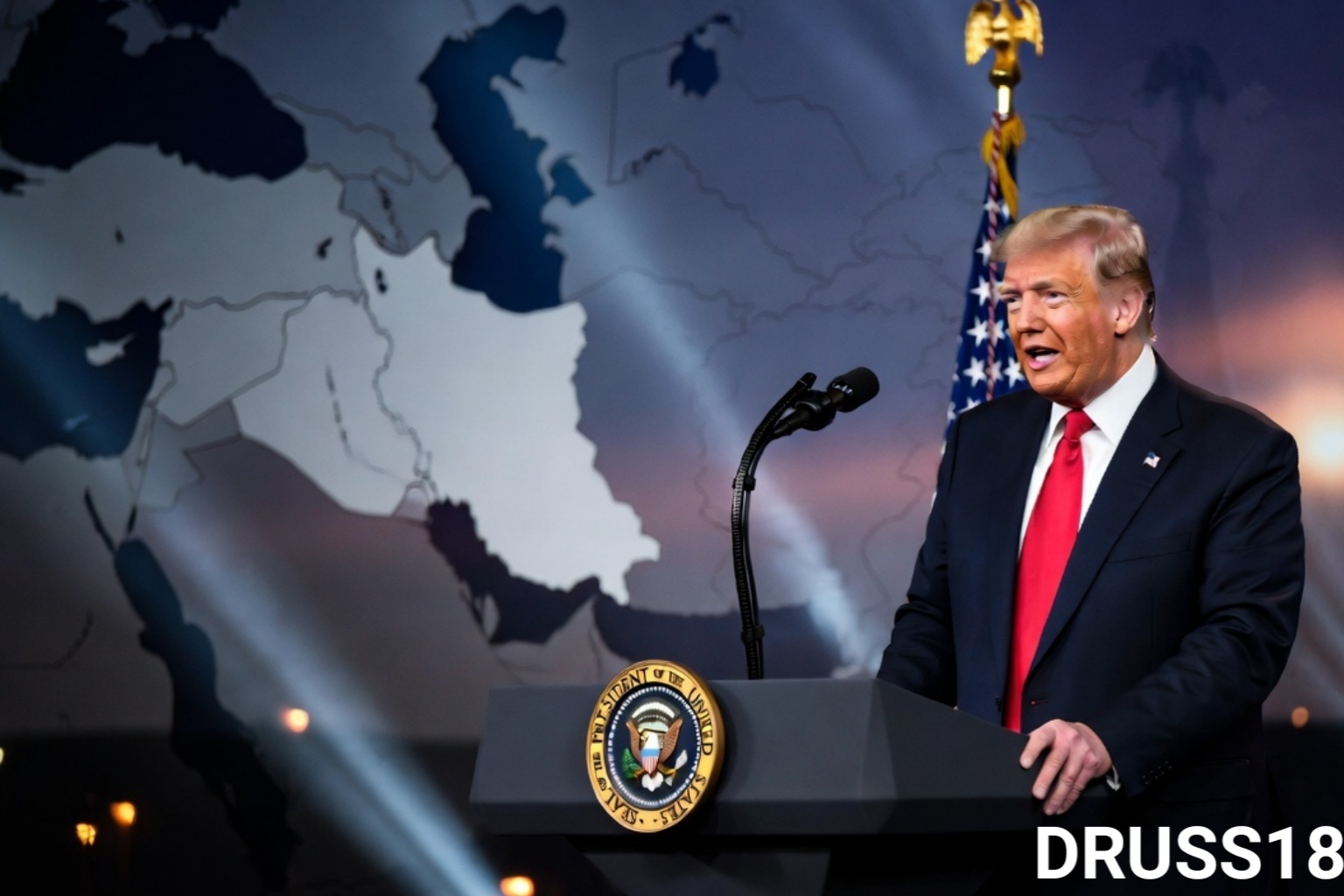
US Escalates Conflict With Iran After Joint Airstrikes
- Image: AI-generated representation based on the reported situation.
Iran supreme leader killed claim has triggered global shock after former US President Donald Trump stated that the Iranian leader was targeted in recent US airstrikes.
President Donald Trump said Saturday that Iran’s Supreme Leader, Ayatollah Ali Khamenei, was killed during a large-scale US and Israeli military operation targeting sites across Iran. Iranian officials quickly denied the claim, stating that the country’s leadership remains safe.
The announcement marked a dramatic escalation in tensions between Washington and Tehran. Trump said the air campaign would continue in the coming days, describing it as part of a broader effort to reshape Iran’s government. As of now, there has been no independent confirmation of Khamenei’s death.
Iranian state media reported that more than 200 people were killed in the strikes. The attacks reportedly hit multiple locations, though details about specific targets remain limited.
Trump Signals Push for Political Change in Tehran
In a post on his social media platform Truth Social, Trump described the operation as a turning point and urged Iranians to remove the current government. He characterized the strikes as part of a strategy to pressure Iran’s leadership after talks between US and Iranian officials reportedly failed to produce progress on nuclear issues.
US officials have long accused Iran of pursuing nuclear weapons capabilities, an allegation Tehran denies. Negotiations aimed at limiting Iran’s nuclear activities have faced repeated setbacks over the past several years, particularly after the US withdrew from the 2015 nuclear agreement under the Trump administration.
While Trump celebrated what he described as a successful operation, he did not outline a clear timeline for the military campaign or detail how the US plans to stabilize the region if the conflict widens. He indicated that further strikes could continue “as long as necessary.”
Iran Launches Retaliatory Strikes Across the Region
Iran responded within hours, launching what officials described as a large-scale retaliation. Missiles and drones were reportedly directed at US military bases and Israeli targets, as well as other locations in the Middle East.
The retaliatory attacks disrupted air travel and affected shipping routes, particularly in areas critical to global oil transport. Energy markets reacted sharply, with analysts warning that prolonged fighting could push fuel prices higher worldwide.
Despite the scale of the response, US military officials said there were no reported American combat-related casualties. Security agencies, including the FBI, increased alert levels domestically, and the State Department advised US citizens overseas to remain cautious.
For ordinary Americans, the situation could have economic consequences. Rising oil prices often translate into higher gasoline and transportation costs. Businesses that rely on imported goods may also face increased shipping expenses if regional instability affects major trade routes.
Gulf States React as Tensions Spread
Governments across the Middle East closely monitored the unfolding crisis. The United Arab Emirates described the confrontation as a defining moment for the region and called for greater international efforts to maintain stability.
In Kuwait, authorities suspended Taraweeh prayers — special nightly prayers held during Ramadan — in mosques nationwide following the retaliatory strikes. Officials said regular daily prayers would continue, but larger gatherings were paused as a precaution.
Meanwhile, worshippers in the UAE and Jordan attended evening prayers as scheduled. Video aired by UAE state media showed large crowds gathered at Abu Dhabi’s Sheikh Zayed Grand Mosque.
The differing responses highlight how governments are balancing security concerns with public religious life during a period of heightened tension.
Regional and Global Impact
The latest exchange marks one of the most direct confrontations between the United States and Iran in years. The two countries have been adversaries for decades, with tensions rising periodically over nuclear policy, regional influence, and military activity.
If the conflict intensifies, it could affect global markets, energy supplies, and international diplomacy. The Middle East is home to several key oil-producing nations, and disruptions to production or shipping lanes could influence prices worldwide.
There are also concerns about the safety of US troops stationed in the region, as well as American civilians abroad. Increased security measures may affect travel, business operations, and diplomatic missions.
What Could Happen Next
Much remains uncertain. Iranian officials continue to deny that their supreme leader was killed, and no independent evidence has been released to confirm the claim. The possibility of further military action on either side raises questions about how long the confrontation could last.
Diplomatic efforts may intensify in the coming days as international leaders seek to prevent broader regional war. At the same time, both Washington and Tehran appear to be signaling resolve.
For now, governments, businesses, and ordinary citizens across the region — and beyond — are watching closely as events continue to unfold.
- This report is based on information widely covered across international media platforms. The editorial team at Druss18 has reviewed publicly available reports and presented an independent analysis to provide readers with a clear and contextual understanding of the development.
- Thank you for staying with Druss18 News.