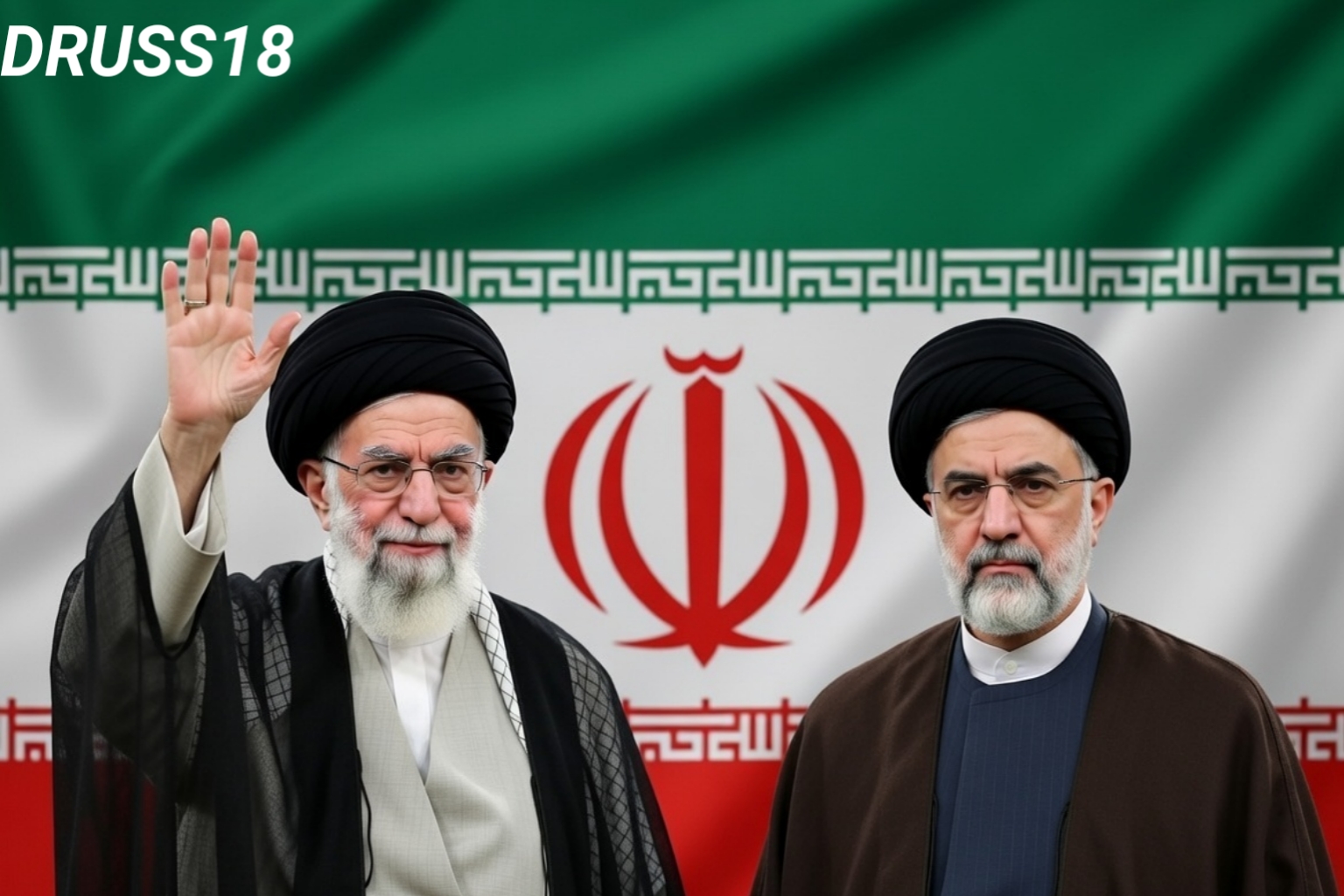
- Hassan Khomeini successor discussions have intensified following the reported death of Iran’s Supreme Leader Ali Khamenei. The leadership transition could reshape Iran’s political direction at a critical moment for the country.
Among the names drawing attention is Hassan Khomeini, grandson of Ruhollah Khomeini, the revolutionary leader who established the Islamic Republic in 1979. Though he has never held government office, Hassan Khomeini is viewed by some political figures as a potential contender in the deliberations that could shape Iran’s future leadership.
A Symbolic Figure With Reformist Leanings
At 53, Hassan Khomeini holds the clerical rank of Hojatoleslam and serves as custodian of his grandfather’s mausoleum in southern Tehran — a role that carries symbolic weight in Iran’s religious and political life.
He is widely considered more moderate than many senior figures who rose under Khamenei’s leadership. Over the years, he has maintained ties with reformist politicians, including former presidents Mohammad Khatami and Hassan Rouhani. Both men advocated engagement with Western countries during their time in office.
Although loyal to the Islamic Republic, Hassan Khomeini has occasionally criticized decisions by powerful institutions. In 2021, he publicly objected to the Guardian Council’s disqualification of several reformist candidates from the presidential race, a move that paved the way for hardliner Ebrahim Raisi to win the presidency before his death in a 2024 helicopter crash.
Public Positions on Protests and Accountability
Hassan Khomeini has also spoken out during moments of national tension. After the death of Mahsa Amini in police custody in 2022 — an incident that sparked nationwide protests — he called for transparency and accountability from authorities.
At the same time, he criticized demonstrators who directly targeted the country’s leadership during the unrest. In later protests marked by violence, he expressed support for the political establishment and accused outside actors, including Israel, of attempting to destabilize Iran.
His positions reflect a balancing act: advocating limited reform and accountability while reaffirming loyalty to the political system created by his grandfather.
The Role of the Assembly of Experts
Iran’s next Supreme Leader is chosen by the Assembly of Experts, a body of clerics tasked with overseeing and appointing the country’s highest authority.
Hassan Khomeini once sought a seat in the Assembly about a decade ago. Although he initially received encouragement to run, he was later disqualified by the Guardian Council. Officials cited his clerical credentials — he is one rank below Ayatollah — but some political observers interpreted the decision as limiting reformist influence within the body.
The leadership transition comes at a sensitive time for Iran. Years of economic sanctions tied to its nuclear program have strained the economy, contributing to inflation, currency volatility, and hardship for ordinary families. Any change at the top could influence domestic policy, international negotiations, and relations with Western and regional powers.
Reformists vs. Hardliners
Some Iranian politicians see Hassan Khomeini as a potential counterweight to hardline candidates, including figures associated with conservative factions that strengthened their position during Khamenei’s tenure. Among the names often discussed in political circles is Mojtaba Khamenei, the late leader’s son, though no formal succession process has been announced.
Hassan Khomeini supported the 2015 nuclear agreement negotiated under Rouhani, which eased sanctions in exchange for limits on Iran’s nuclear activities. That deal later unraveled after the United States withdrew from it in 2018 under then-President Donald Trump.
The Hassan Khomeini successor debate reflects divisions between reformists and hardliners.
He has spoken about the economic pressures facing ordinary Iranians during years of sanctions, highlighting how international tensions directly affect livelihoods, businesses, and access to basic goods.
What Happens Next
The death of a Supreme Leader is one of the most consequential moments in Iran’s political system. The Assembly of Experts is expected to meet to determine a successor, though the timeline and internal deliberations are not public.
Whether the body opts for a figure seen as more pragmatic or doubles down on hardline leadership could shape Iran’s domestic climate and its relationship with the outside world.
For millions of Iranians, the outcome may influence economic policy, social freedoms, and the country’s direction at a time of regional instability. The coming weeks are likely to reveal whether Hassan Khomeini’s name moves from speculation to serious consideration in one of the most significant transitions since the founding of the Islamic Republic.
- This report is based on information widely covered across international media platforms. The editorial team at Druss18 has reviewed publicly available reports and presented an independent analysis to provide readers with a clear and contextual understanding of the development.
- Thank you for staying with Druss18 News.