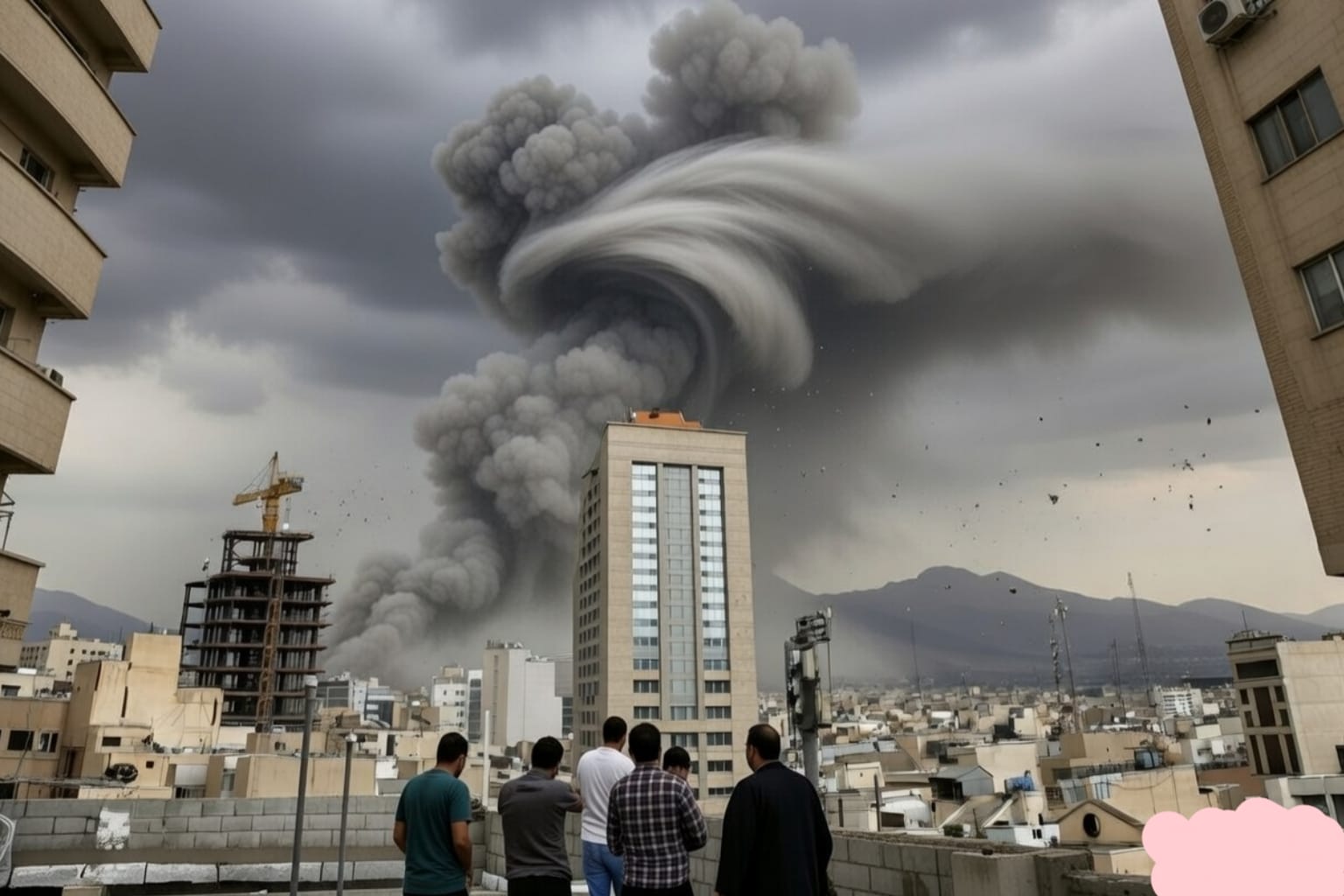
A costly air defense race could decide how long this war lasts
Iran’s $20,000 Drones vs. $4 Million Missiles
Just days into the latest confrontation between Iran and a U.S.-led coalition, the fighting has shifted into a battle of endurance. Instead of dramatic ground advances, both sides are engaged in an intense exchange of missiles and drones across the Gulf region.
Military analysts say the central question may not be who strikes hardest — but who runs out of weapons first.
Cheap Drones, Expensive Defenses
Iran has relied heavily on its Shahed-136 one-way attack drones, along with short-range cruise and ballistic missiles. These drones, which are relatively inexpensive to produce, have targeted U.S. military facilities, oil infrastructure, and other sites in countries including Bahrain, Qatar, and the United Arab Emirates.
In response, U.S. and Gulf air defense systems —https://druss18.com/us-urges-americans-to-leave-middle-east/ particularly the Patriot missile system — have intercepted a large percentage of incoming threats. Officials in the UAE have reported interception rates exceeding 90%.
But the cost imbalance is striking. A Shahed drone is estimated to cost around $20,000. A single Patriot PAC-3 interceptor missile costs roughly $4 million. In practical terms, that means defending against low-cost drones can quickly consume high-value munitions intended for more advanced threats.
This dynamic has concerned Western defense planners since the early months of the war in Ukraine, where inexpensive drones were frequently used to drain sophisticated air defense systems.
A War of Stockpiles
ccording to regional defense officials, thousands of interceptors may have already been fired since the current conflict began. Production capacity is limited. About 600 PAC-3 missiles were manufactured in 2025, according to company disclosures.
Internal assessments in parts of the Gulf reportedly suggest that some Patriot stockpiles could be depleted within days if the pace of attacks continues. Qatar, for example, is said to have reviewed its interceptor inventory and privately expressed concern about how long supplies could last under current conditions.
Iran’s own missile inventory is also under strain. Estimates from previous conflicts suggested Tehran possessed roughly 2,000 ballistic missiles following last year’s fighting with Israel. However, its supply of drones is believed to be far larger. Russia, which also manufactures Shahed-type drones, has demonstrated the ability to produce hundreds per day, suggesting Iran may have access to significant numbers.
Since the start of the conflict this year, Iran has launched more than 1,200 projectiles, many of them drones. Analysts believe Tehran may be conserving higher-end ballistic missiles for sustained or strategic strikes.
Regional Fallout and Civilian Concerns
For Gulf countries, the pressure is not just military — it is economic and political.
Missile and drone interceptions are occurring over densely populated cities and near major energy infrastructure. Any successful strike on oil facilities or export terminals could disrupt global energy markets, potentially raising fuel prices worldwide.
For residents in Bahrain, Qatar, and the UAE, air raid alerts and missile defense activity have become part of daily life. Governments are balancing public reassurance with behind-the-scenes diplomatic efforts to prevent further escalation.
The financial cost is also mounting. Air defense systems such as Patriot and THAAD — another U.S.-made system designed to intercept high-altitude ballistic missiles at costs of about $12 million per interceptor — are expensive to operate and replenish. Extended use strains defense budgets and supply chains.
In Washington, officials have indicated that this campaign is not intended to become a prolonged war. U.S. Defense Secretary Pete Hegseth told reporters this week that the situation would not resemble the long conflicts in Iraq or Afghanistan.
Iran’s Military Posture After Leadership Loss
The conflict intensified following U.S. and Israeli airstrikes that reportedly killed Iran’s Supreme Leader, Ayatollah Ali Khamenei. His death marked a significant political and symbolic moment for the Islamic Republic.
Before the strikes, Khamenei had warned that any direct U.S. attack would spark wider regional consequences. Since then, Iran’s response has focused heavily on missile and drone attacks rather than conventional air power.
Iran’s air defense capabilities were weakened in the early hours of the war. Strikes reportedly damaged its most advanced surface-to-air systems, including Russian-made S-300 batteries. Since then, U.S. and Israeli aircraft have operated in Iranian airspace without confirmed resistance from those systems.
Iranian Foreign Minister Abbas Araghchi said in a televised interview that military units were acting on previously issued general directives, suggesting operational decisions may be occurring with limited day-to-day civilian coordination.
Limited Alternatives and New Technology
Some experts argue that relying on high-cost interceptors against low-cost drones is not sustainable. Alternative counter-drone systems — including lasers, automated cannons, and smaller interceptor drones — can be cheaper per engagement.
Israel has been developing a laser-based air defense system known as Iron Beam through Rafael Advanced Defense Systems. Such systems are designed to reduce costs by using directed energy instead of missiles. However, these technologies are not yet widely deployed across the Gulf.
In the meantime, fighter jets equipped with Advanced Precision Kill Weapon System (APKWS) missiles — costing between $20,000 and $30,000 each, plus aircraft operating costs — are also being used to counter drone threats.
What Happens Next?
Military analysts say the coming weeks will test the endurance of both sides.
If Iran continues launching large volumes of drones and missiles, regional interceptor stockpiles could thin rapidly. At the same time, Iran’s own missile inventory may diminish, particularly if it escalates to heavier ballistic strikes.
A stalemate is possible if both offensive and defensive munitions become scarce. Alternatively, mounting economic pressure, rising energy risks, and domestic political concerns could push regional governments to intensify diplomatic efforts.
For now, the conflict has become a contest of logistics as much as firepower. The side that sustains its supply chains — and maintains political support at home and among allies — may ultimately shape how this war ends.
- This report is based on information widely covered across international media platforms. The editorial team at Druss18 has reviewed publicly available reports and presented an independent analysis to provide readers with a clear and contextual understanding of the development.