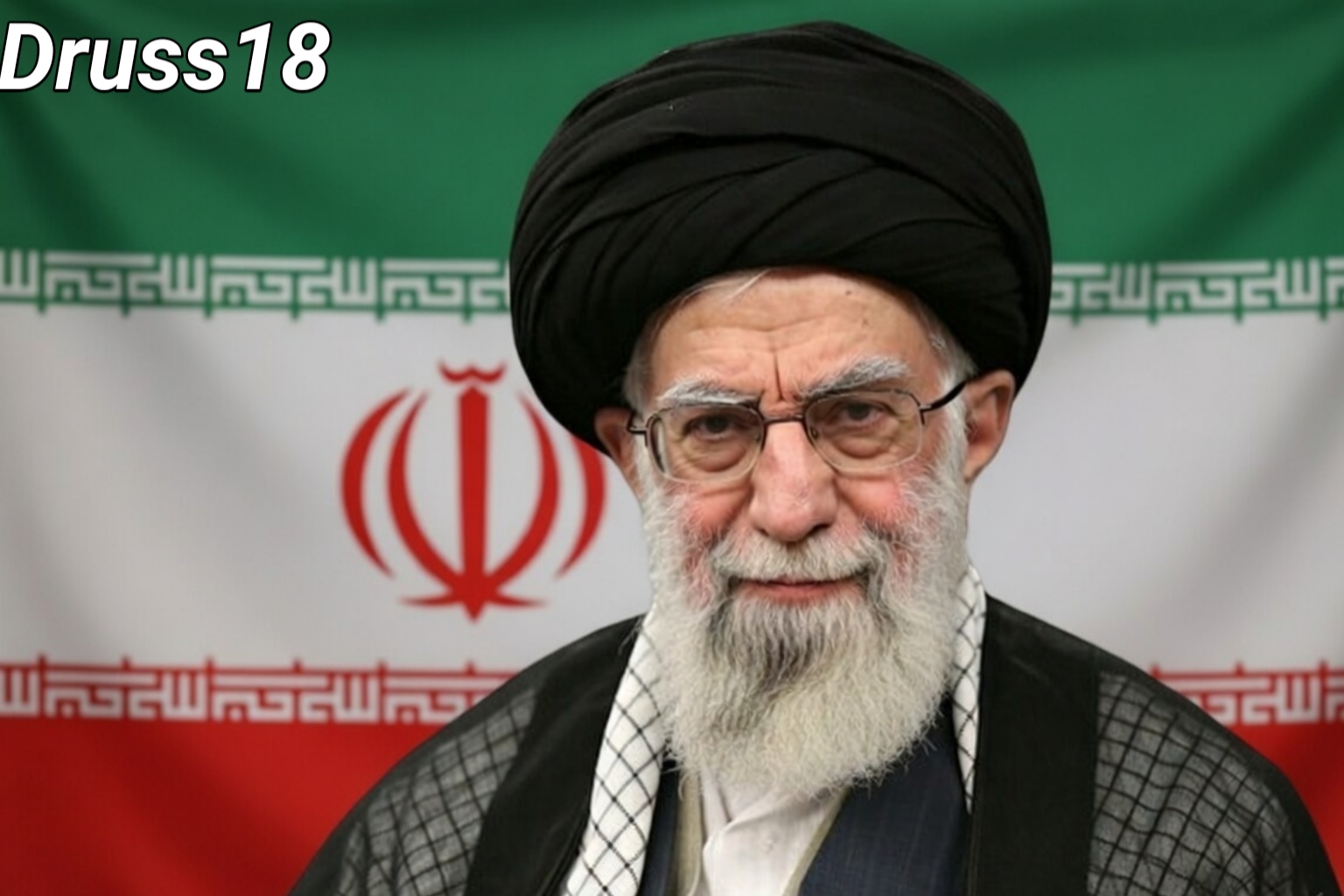
The United States is bracing for potential retaliation from Iran and its allies following the reported killing of Iran’s Supreme Leader, Ayatollah Ali Khamenei.
U.S. Intelligence Warns of Possible Iranian Retaliation After Khamenei’s Death
A recent U.S. intelligence assessment warns that while a major attack on American soil is unlikely, targeted actions — especially in cyberspace — are considered a credible threat in the coming weeks.
Homeland Security Flags Risk of Targeted Attacks
According to a February 28 assessment prepared by the Department of Homeland Security’s Office of Intelligence and Analysis, Iran and affiliated groups could seek to strike U.S. interests in response to Khamenei’s death in a strike attributed to Israel and the United States.
The report states that Tehran and its proxy networks “probably” present a continued risk of targeted operations within the United States. However, analysts judged that a large-scale physical attack inside the country remains unlikely at this time.
The assessment notes that if Khamenei’s death is formally confirmed and widely accepted, Iranian leadership and aligned groups are expected to escalate retaliatory rhetoric and possibly encourage supporters to act.
Homeland Security Secretary Kristi Noem said she is coordinating closely with federal intelligence and law enforcement agencies to monitor and counter potential threats. She did not provide specific details about security measures but emphasized ongoing vigilance
Cyber Threat Seen as Immediate Concern
Officials believe the most immediate danger could come from cyber operations rather than conventional attacks.
The intelligence report highlights the likelihood of low-level cyber disruptions carried out by Iran-aligned “hacktivist” groups. These activities could include website defacements, distributed denial-of-service (DDoS) attacks, or other digital disruptions targeting government agencies, businesses, or infrastructure.
While such incidents may not cause widespread physical harm, they can disrupt services, interrupt business operations, and create public anxiety. For ordinary Americans, this could mean temporary website outages, banking system delays, or interruptions to local government services if networks are targeted.
U.S. officials have previously accused Iranian-linked cyber actors of targeting American infrastructure during periods of geopolitical tension. Cybersecurity experts note that retaliatory digital operations are often used as a lower-risk alternative to direct military confrontation.
Conflict Expands Across the Region
The intelligence warning comes amid escalating military activity in the Middle East.
After airstrikes on Saturday that reportedly killed Khamenei, Israel expanded its military operations. On Monday, Israeli forces carried out strikes in Lebanon following reported attacks by Hezbollah. Meanwhile, Iran continued missile and drone operations against Gulf states that host U.S. military bases.
The widening conflict raises concerns about the safety of American troops stationed across the region. Thousands of U.S. service members are deployed in Gulf countries, where they operate military installations and support regional security missions.
The assessment indicates that Iran is likely to continue targeting U.S. and allied interests in the Middle East. Such actions could include missile launches, drone strikes, or proxy-led attacks in countries where American forces are present.
Escalation in the region may also have broader economic consequences. Oil markets tend to react sharply to instability in the Gulf, a critical hub for global energy supplies. Any sustained conflict could increase fuel prices worldwide, affecting transportation costs, consumer goods, and inflation.
Political Fallout and Domestic Tensions
The intelligence report also warns that Iranian officials are expected to blame senior U.S. government leaders for unrest that may follow statements calling for regime change in Tehran.
President Donald Trump had publicly supported regime change in Iran following the strike. Analysts believe such remarks could heighten tensions and serve as justification for retaliatory messaging from Tehran.
Domestically, authorities are examining whether recent violence may have been influenced by developments overseas.
In Austin, Texas, investigators are reviewing a deadly shooting at a bar that left at least two people dead. Law enforcement officials said it is too early to determine whether the suspect was motivated by the conflict in Iran.
Photographs obtained by authorities showed the gunman wearing clothing displaying the Iranian flag and the word “Iran.” He was also reportedly wearing a sweatshirt with religious wording. Police have not confirmed any direct link between the shooting and international events, and the investigation remains ongoing.
Security agencies often increase monitoring of both foreign-linked threats and potential lone actors during periods of international crisis. Officials say they are working to distinguish between politically motivated violence and unrelated criminal acts.
What Happens Next
Iran confirmed Khamenei’s death on Sunday, following initial announcements by Israeli officials and U.S. leadership. The confirmation has intensified uncertainty about Iran’s political future and the stability of its leadership structure.
Historically, major political assassinations or leadership changes in the region have triggered both immediate retaliation and longer-term geopolitical shifts. U.S. intelligence agencies are expected to continue assessing how Iran’s military, intelligence services, and regional proxies respond in the coming days.
For Americans, the most visible impact may come through heightened cybersecurity alerts, increased security presence at sensitive locations, and possible market volatility tied to Middle East instability.
Federal authorities have not announced any specific domestic restrictions or emergency measures. However, officials say monitoring efforts have been expanded as a precaution.
In the near term, attention will focus on whether Iran opts for symbolic retaliation, cyber disruption, proxy attacks abroad, or a more restrained approach aimed at avoiding direct confrontation with Washington.
Security officials say the situation remains fluid, and further developments are likely as regional tensions continue to evolve.
- This report is based on information widely covered across international media platforms. The editorial team at Druss18 has reviewed publicly available reports and presented an independent analysis to provide readers with a clear and contextual understanding of the development.