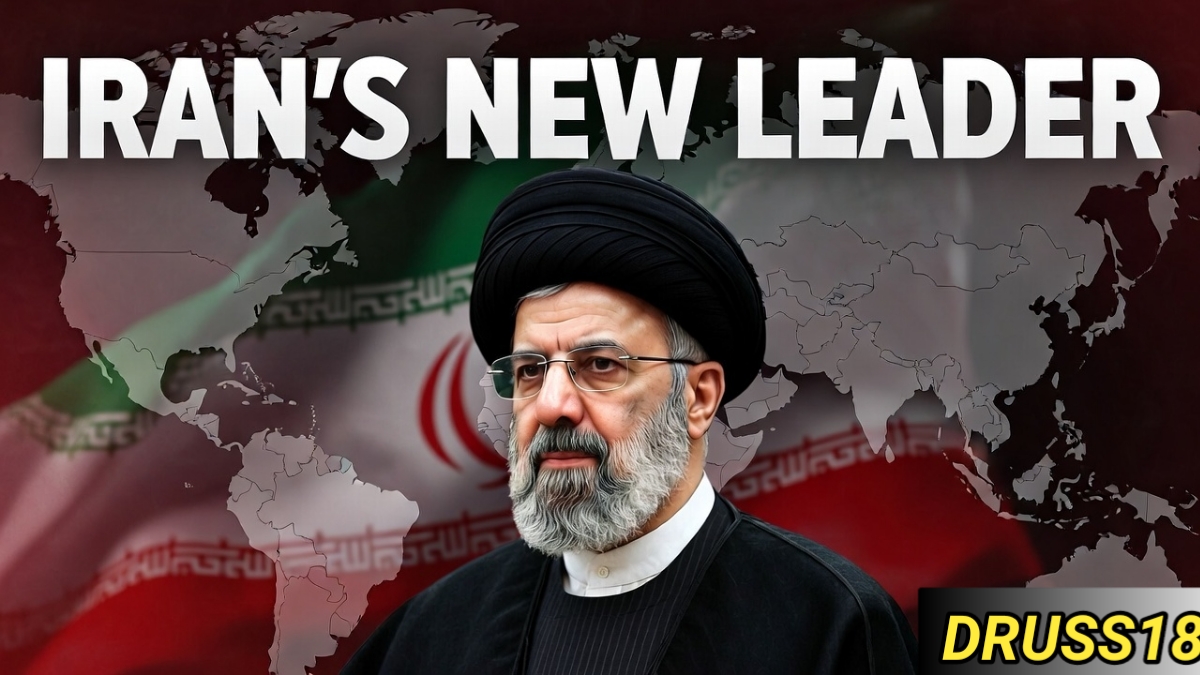
Iran’s New Supreme Leader: What to Know About Mojtaba Khamenei is now drawing global attention after Mojtaba Khamenei was chosen to lead Iran following the death of his father, Ali Khamenei.
Iran has entered a new political chapter after the selection of Mojtaba Khamenei as the country’s next supreme leader. The 56-year-old cleric, long known as the son of Ali Khamenei, is expected to take control of the Islamic Republic’s highest authority following his father’s death in reported U.S.–Israeli strikes.
For decades, Mojtaba remained largely out of public view. Unlike many senior figures in Iran’s political system, he rarely appeared in the media, never held formal government office, and seldom spoke publicly. Despite that low profile, analysts and diplomats have for years suggested he wielded considerable influence behind the scenes within Iran’s ruling establishment.
His rise now places him at the center of one of the most powerful positions in the Middle East, responsible for guiding the country through political tension, economic challenges, and growing international pressure.
A Leadership Transition in a Critical Moment
The supreme leader is the most powerful authority in Iran, overseeing the military, judiciary, and major state institutions. The position also shapes the country’s foreign policy and relations with global powers.
Following the death of Ali Khamenei, Iran’s clerical body known as the Assembly of Experts selected Mojtaba as the new leader. The council is responsible for appointing and supervising the supreme leader under Iran’s constitutional system.
The transition comes during a period of heightened regional tension and economic strain. Iran has faced years of international sanctions, rising inflation, and internal political divisions. The leadership change is therefore being closely watched both inside the country and abroad.
For many ordinary Iranians, the next leader will play a key role in determining whether economic policies, foreign relations, and internal political controls continue in the same direction or shift toward new approaches.
A Quiet Figure With Long-Standing Influence
Although Mojtaba Khamenei rarely appeared in public, diplomatic reports over the years suggested he held significant influence within Iran’s political network.
Leaked diplomatic communications published by WikiLeaks in the late 2000s described him as a powerful figure working behind the scenes in Tehran. Several officials reportedly viewed him as a capable and assertive presence within the ruling establishment.
Observers often pointed to his connections with influential institutions such as the Islamic Revolutionary Guard Corps and the Basij militia, which play major roles in Iran’s security and political structure.
Because of this network of relationships, some analysts had long considered Mojtaba a potential successor to his father, even though he avoided public leadership roles.
Early Life and Religious Education
Mojtaba Khamenei was born on September 8, 1969, in the northeastern Iranian city of Mashhad, a major religious center. He is the second of six children of Ali Khamenei.
He attended Tehran’s Alavi School, an institution known for educating students from religious and political families.
During the later years of the Iran‑Iraq War, Mojtaba reportedly served in short military assignments while still a teenager. The conflict, which lasted from 1980 to 1988, shaped Iran’s modern political outlook and deepened the country’s distrust of Western governments.
In 1999, Mojtaba moved to the religious center of Qom to pursue advanced theological studies. Qom is one of the most important centers of Shia Islamic scholarship. Interestingly, he began formal seminary training relatively late compared with many clerics, who typically enter religious education earlier in life.
He eventually became a mid-ranking cleric. In recent years, some Iranian media outlets have begun referring to him as an “Ayatollah,” a senior religious title that carries greater authority within the clerical system.
Debate Over Dynastic Leadership
Mojtaba’s appointment may raise questions among critics of Iran’s political system.
The Iranian Revolution of 1979 overthrew the monarchy and established the Islamic Republic, emphasizing leadership based on religious scholarship and revolutionary credentials rather than family inheritance.
Because of this principle, some observers argue that a father-to-son succession could resemble hereditary rule. In the past, some clerics and political figures publicly questioned whether Mojtaba should become a candidate for the role.
Ali Khamenei himself rarely addressed the issue directly. According to remarks made by a member of the Assembly of Experts several years ago, the elder Khamenei had expressed opposition to the idea of his son automatically succeeding him. However, the subject was never publicly settled while he was alive.
Past Political Controversies
Mojtaba’s name first gained wider attention during Iran’s 2005 Iranian presidential election, which brought Mahmoud Ahmadinejad to power.
Reformist candidate Mehdi Karroubi accused Mojtaba of using connections within security institutions to influence the vote. Those claims were strongly disputed by supporters of the government.
Four years later, the disputed 2009 Iranian presidential election triggered mass protests known as the Green Movement protests in Iran. Demonstrators challenged the re-election of Ahmadinejad and called for political reforms.
During that period, Mojtaba was again accused by some political figures of playing a role in the power struggle. Reformist politician Mostafa Tajzadeh later said his imprisonment was connected to pressure from figures close to the leadership, including Mojtaba.
Iranian authorities have never formally confirmed those allegations.
What His Leadership Could Mean for Iran
Many analysts expect Mojtaba Khamenei to continue policies similar to those pursued by his father. Those policies generally emphasize strong state control, resistance to Western pressure, and support for Iran’s regional alliances.
At the same time, he inherits a country facing major challenges. Iran’s economy has struggled under international sanctions, while political dissatisfaction has grown in recent years.
For businesses and ordinary citizens, the direction of economic reforms, currency stability, and foreign relations could have significant consequences for jobs, prices, and investment.
Internationally, governments will closely watch whether Iran’s new leader maintains the same confrontational stance toward the United States and Israel or pursues diplomatic changes.
A Leadership Still Being Tested
Mojtaba Khamenei now steps into a role that carries enormous influence but also major risks. His leadership record remains largely untested compared with other senior clerics who spent decades in public office.
Security concerns also remain high. Israeli officials recently warned that any successor to Ali Khamenei could become a potential military target during ongoing tensions in the region.
As Iran moves through this leadership transition, the country’s political stability, economic recovery, and relations with the international community will likely depend on how Mojtaba Khamenei navigates the responsibilities of the supreme leadership.
For now, his appointment marks the beginning of a new and uncertain phase for the Islamic Republic.
- This report is based on information widely covered across international media platforms. The editorial team at Druss18 has reviewed publicly available reports and presented an independent analysis to provide readers with a clear and contextual understanding of the development.