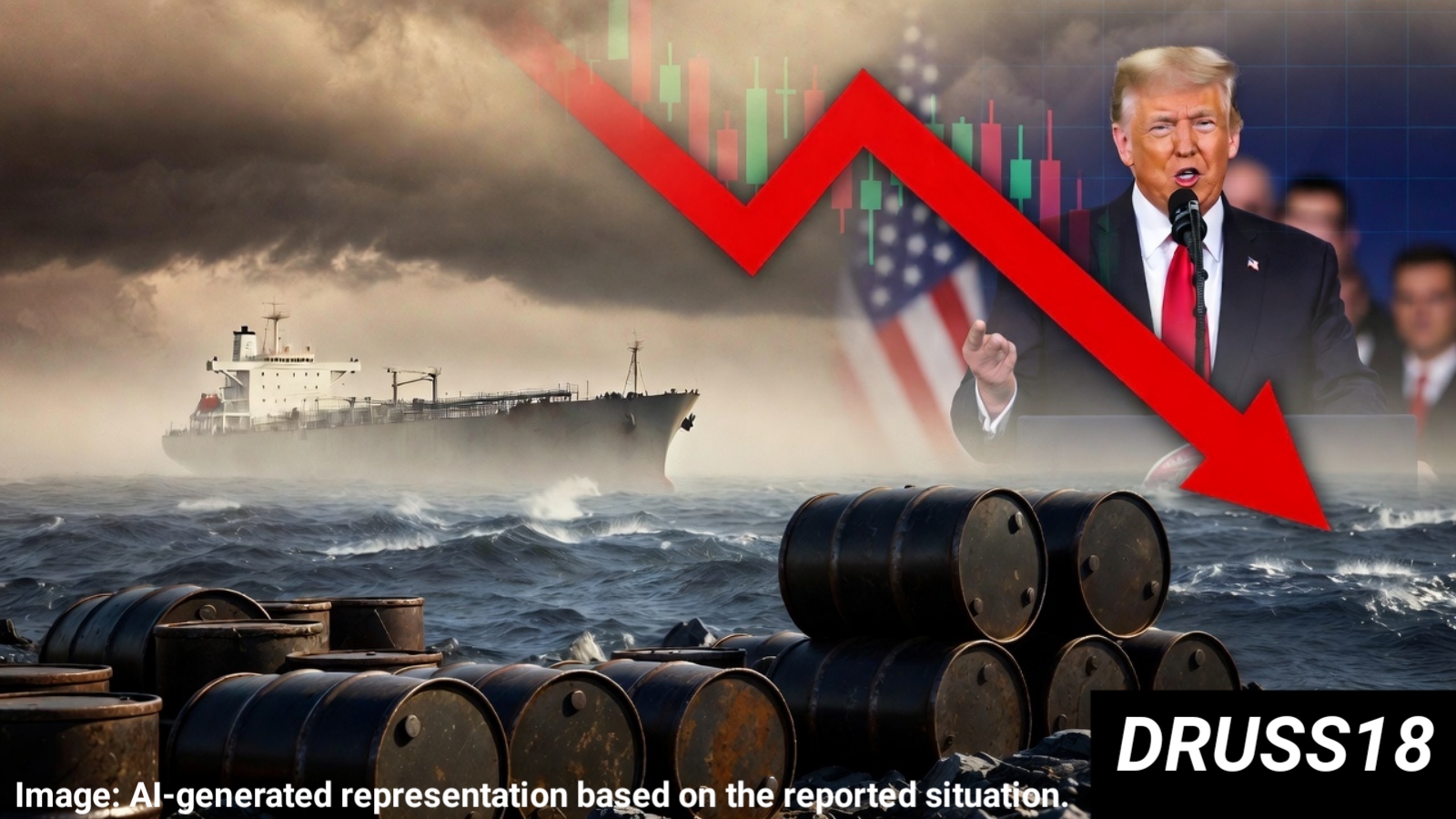
Oil prices fall sharply as Trump hints at plan to end Iran conflict, sending shockwaves through global energy markets. Investors reacted quickly to the U.S. president’s comments, which suggested Washington may be exploring ways to reduce tensions and restore stability to oil supplies.
Oil prices fell sharply in early trading after U.S. President Donald Trump suggested the war involving Iran may not last long and said his administration is exploring steps to stabilize global energy markets.
The comments came after several days of extreme price swings that rattled traders and governments as the conflict disrupted oil supplies moving through one of the world’s most critical shipping routes.
Crude benchmarks dropped significantly in Asian trading hours following the president’s latest statements. Both Brent crude and West Texas Intermediate declined by more than 10% after Trump indicated the conflict could end sooner than many investors feared.
The oil market has experienced intense volatility since the fighting began. On Monday, prices briefly surged above $100 per barrel before retreating sharply later in the day. The session turned into one of the most dramatic trading days in recent memory, with prices swinging widely as traders reacted to new developments in the conflict.
By Tuesday morning, Brent crude was trading near $90 per barrel after falling sharply from earlier highs.
Market analysts said the sudden drop reflected investor uncertainty rather than confidence that the situation would quickly stabilize.
Energy market analyst Vandana Hari noted that comments suggesting the war could end soon may not immediately restore normal shipping activity in the Strait of Hormuz, which remains a key concern for global oil supply.
Investors, she said, may be reacting quickly to headlines rather than fundamental changes in supply conditions.
Strait of Hormuz Disruption Drives Price Volatility
Much of the recent turmoil in oil markets has been linked to disruptions around the Strait of Hormuz, a narrow waterway between Iran and the Arabian Peninsula that handles roughly one-fifth of the world’s seaborne oil shipments.
Since the conflict began, tanker traffic through the passage has slowed dramatically following attacks on several vessels. Many shipping companies have temporarily avoided the route due to safety concerns.
The reduced flow of tankers has made it difficult for major oil-producing countries in the Middle East to move crude to international buyers. As a result, several major exporters have been forced to cut production because storage facilities are quickly filling.
Saudi Arabia, Iraq, Kuwait and the United Arab Emirates have all reportedly reduced output as shipments struggle to move through the disrupted corridor.
The situation has tightened global oil supplies and contributed to rapid price increases earlier in the week.
Rising Energy Costs Create Political Pressure
The surge in oil prices has already begun affecting consumers and businesses around the world.
In the United States, gasoline prices have climbed to their highest level since August 2024. Higher fuel costs can quickly spread through the broader economy by increasing transportation expenses, raising food prices, and pushing up the cost of everyday goods.
For governments, particularly in large energy-consuming countries, rising oil prices can also fuel inflation and slow economic growth.
Trump has faced increasing pressure to address the situation as energy costs rise and financial markets react to the ongoing conflict.
The administration has been exploring several measures aimed at easing pressure on energy markets and preventing further price spikes.
Washington Considers Steps to Stabilize Supply
During a press briefing, Trump said his administration is considering allowing the U.S. Navy to escort oil tankers through the Strait of Hormuz to ensure shipments can move safely.
Such a move could help reassure shipping companies and encourage more vessels to resume traveling through the passage. However, officials have not yet provided details on how the plan would work or when it might begin.
The president also suggested that the United States could temporarily ease certain oil-related sanctions in an effort to increase global supply.
Last week, Washington allowed India to increase its purchases of Russian crude oil for a limited period. The decision marked a shift from earlier efforts to restrict such trade and appeared aimed at preventing sudden shortages in global markets.
Trump said his administration’s priority is preventing oil prices from rising further.
“We’re looking to keep oil prices down,” he said during the briefing, adding that recent spikes were driven by the conflict.
Global Energy Trade Faces Growing Uncertainty
Even with political efforts to calm markets, the broader energy system remains under pressure as the war enters its second week.
The fighting has drawn in more than a dozen countries and raised fears of a wider regional confrontation. Energy infrastructure and shipping routes across the Middle East are now under increased security scrutiny.
The disruption has not only affected crude oil but also other fuels, including natural gas and refined petroleum products such as diesel and gasoil.
Refineries in some regions have slowed operations due to difficulties securing supplies. At the same time, energy buyers in Asia have been competing to secure shipments as traders redirect cargoes originally destined for other markets.
These shifts have added further instability to global fuel supply chains.
What Could Happen Next
Energy markets are now closely watching whether tanker traffic through the Strait of Hormuz begins returning to normal.
There have been limited signs of movement. A tanker carrying Saudi crude reportedly passed through the strait recently, while Iran has continued exporting oil through the same route.
Still, shipping companies remain cautious after multiple attacks on vessels since the conflict began.
Until the security situation improves, analysts expect oil prices to remain highly sensitive to political developments and military activity in the region.
If diplomatic efforts succeed in reducing tensions or restoring safe shipping through Hormuz, prices could stabilize. But if the conflict intensifies or spreads further, global energy markets may face continued disruptions in the weeks ahead.
- This report is based on information widely covered across international media platforms. The editorial team at Druss18 has reviewed publicly available reports and presented an independent analysis to provide readers with a clear and contextual understanding of the development.
Druss18 Teams