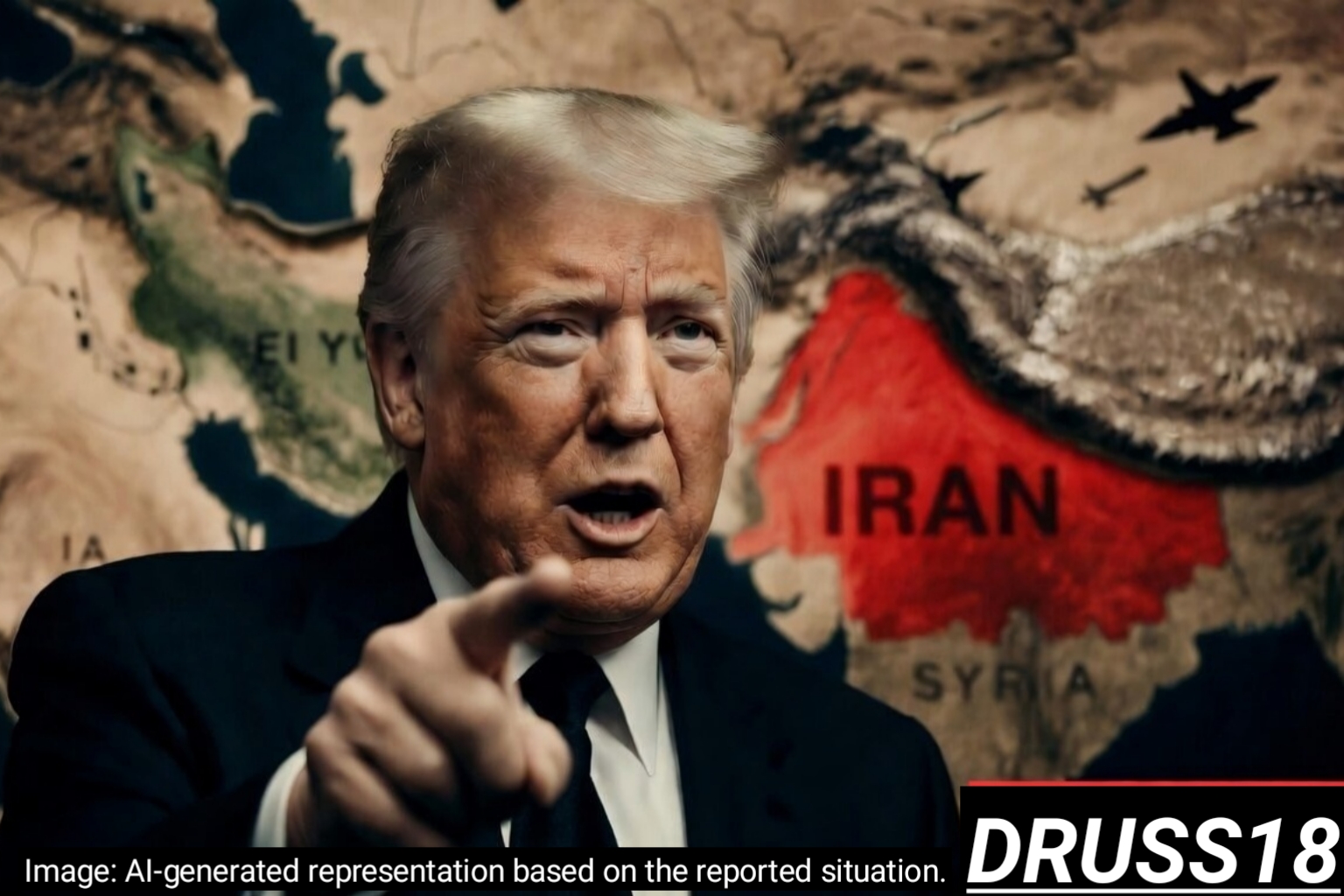
Trump Iran tensions are rising as former U.S. President Donald Trump said the United States still has “plenty of time” to respond to Iran despite growing tensions across the Middle East.
U.S. President Donald Trump said the United States still has “plenty of time” to respond to developments involving Iran, signaling that Washington is not rushing into immediate escalation despite rising tensions across the Middle East. The comments came as military activity and political rhetoric in the region continue to draw global attention.
Speaking to reporters and through public statements released Friday, Trump said the United States is carefully monitoring Iran’s actions while maintaining military readiness. His remarks arrive during a period of heightened concern among international leaders about the possibility of broader regional conflict.
The U.S. administration has not announced any new military operations, but officials say the situation remains fluid as diplomatic and security discussions continue among Western allies.
Trump Warns US Has ‘Plenty of Time’ on Iran
Trump’s statement that the U.S. has “plenty of time” on Iran reflects the administration’s position that Washington can manage the crisis without immediate escalation. The president indicated that American military and intelligence agencies are closely tracking developments related to Iran’s activities in the region.
While Trump emphasized preparedness, he suggested that the United States would respond based on how events unfold rather than taking rapid unilateral action. Administration officials say the approach allows time for both diplomatic coordination and military planning if necessary.
The White House has also been consulting with partners across Europe and the Middle East as tensions grow. Security analysts note that maintaining communication with allies remains a central part of Washington’s strategy in managing regional instability.
Rising Tensions Across the Middle East
The situation involving Iran has become a major focus of international security discussions in recent weeks. Reports of missile and drone incidents, along with increased military activity by several countries in the region, have raised concerns about a wider confrontation.
Iran has long been involved in complex geopolitical disputes with the United States and several regional rivals. Disagreements over Iran’s nuclear program, regional influence, and security policies have shaped U.S.–Iran relations for decades.
In recent days, governments across the region have increased security measures around key infrastructure and shipping routes. The Middle East is home to some of the world’s most important energy transit corridors, and any instability can affect global markets.
Energy analysts say disruptions in the region could influence oil prices and supply chains, which are closely watched by governments and businesses around the world.
Political Debate Inside the United States
Trump’s comments on Iran have also sparked discussion in Washington, where lawmakers are debating how the United States should respond to growing tensions.
Members of Congress from both major parties have called for regular briefings from defense and intelligence officials. Some lawmakers have emphasized the need for diplomatic solutions, while others have focused on ensuring that U.S. forces in the region remain protected.
The administration has not outlined any new legislative requests related to Iran, but security policy experts say congressional oversight will likely increase if tensions continue.
Domestic political debate over foreign policy often intensifies during periods of international conflict, particularly when U.S. troops or strategic interests could be involved.
Why the Iran Situation Matters Globally
The ongoing situation with Iran carries implications beyond the Middle East. Global financial markets, energy companies, and international shipping networks are closely monitoring developments.
The Middle East supplies a large share of the world’s oil exports, and uncertainty in the region can influence fuel prices and economic planning across multiple countries. Governments in Asia and Europe, which rely heavily on imported energy, are particularly sensitive to any disruptions.
Diplomatic efforts are also continuing through international organizations and bilateral talks aimed at reducing tensions. Analysts say preventing miscalculation between major powers and regional actors remains a priority for global leaders.
For now, Trump’s message that the United States has “plenty of time” suggests the administration is signaling caution while keeping strategic options open. However, with tensions still evolving, policymakers and international observers will continue watching closely to see how events develop in the coming days.