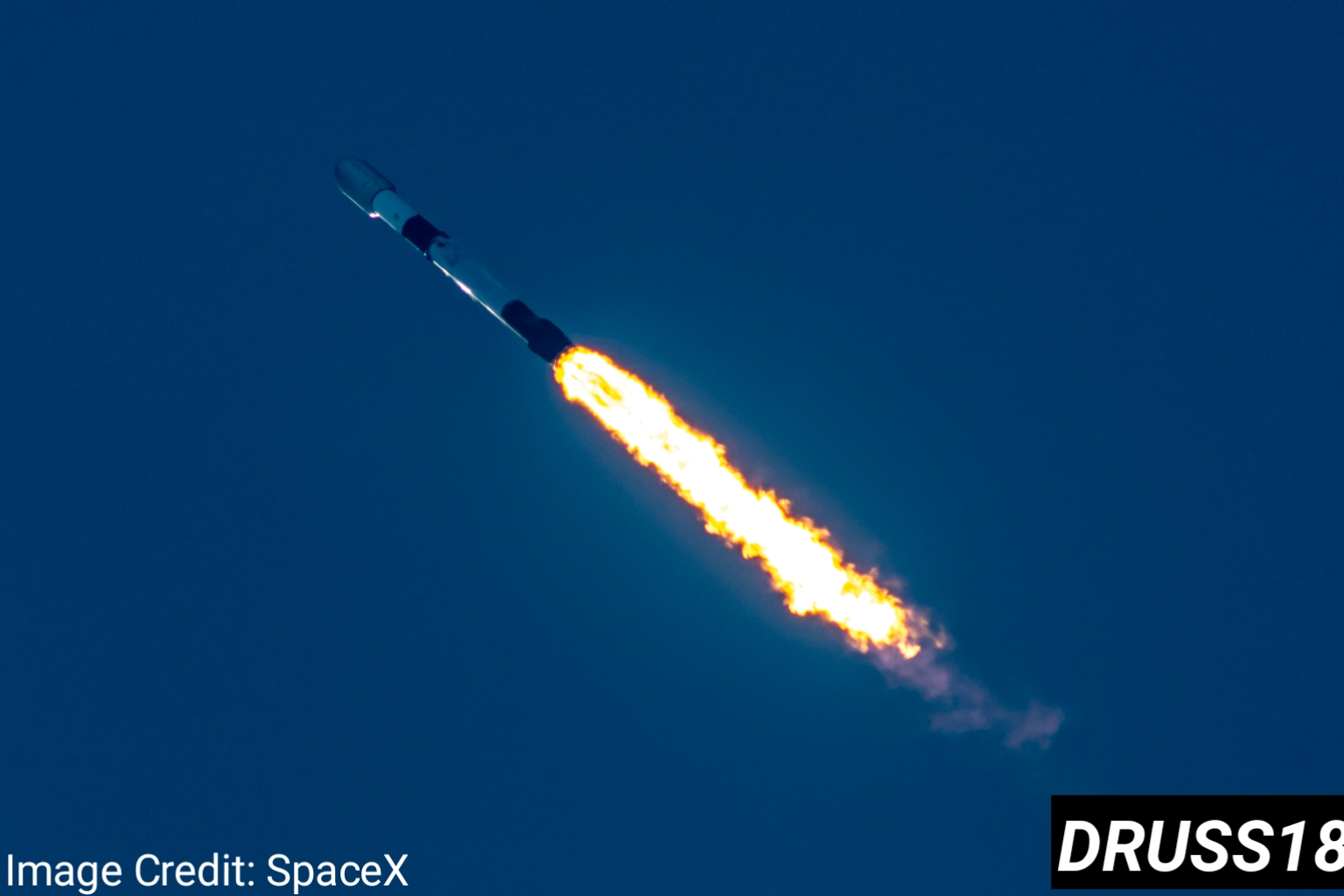
SpaceX Launches 29 Starlink Satellites in High-Impact Falcon 9 Mission Falcon 9 Starlink launch
A SpaceX Falcon 9 rocket has successfully launched 29 Starlink satellites into orbit from Florida.
The mission looked routine — but its scale and speed hint at something much bigger.
This isn’t just another launch. It’s part of a rapidly expanding global internet network that could reshape connectivity worldwide.
🌌 A Routine Launch… or Something More?
At first glance, the latest Falcon 9 Starlink launch appeared like many before it.
A rocket lifted off cleanly from Cape Canaveral, piercing the sky with a bright plume. Minutes later, the booster separated and began its return — a now-familiar signature of reusable rocket technology.
But something stands out.
This mission carried 29 satellites in a single launch, continuing an aggressive deployment pace that few space programs in history have matched.
According to SpaceX, the satellites were successfully deployed into low Earth orbit, joining thousands already in operation.
And that’s where things get interesting.
📡 The Real Goal Behind Starlink’s Rapid Expansion
The Starlink project isn’t just about space — it’s about Earth.
The goal is simple but ambitious:
👉 Provide high-speed internet anywhere on the planet.
Data from NASA suggests that low Earth orbit satellite constellations like Starlink can significantly reduce latency compared to traditional satellites.
As reported by Reuters, Starlink is already being used in remote regions, disaster zones, and even conflict areas where traditional infrastructure fails.
That means every new launch isn’t just adding satellites — it’s expanding global access.
🔥 The Moment That Defines Modern Spaceflight
Here’s the part many people miss.
The Falcon 9 booster didn’t just launch — it returned.
Reusable rocket technology, pioneered by SpaceX, allows the same booster to fly multiple times. This drastically reduces cost and increases launch frequency.
👉 “A rocket that launches, lands, and flies again — this is no longer the future. It’s happening now.”
That single capability is what enables missions like this to happen so frequently.
Without it, deploying thousands of satellites would take decades — not years.
🌍 Why This Matters Beyond Space
This mission has real-world impact.
In many parts of the world, reliable internet is still a luxury. Rural areas, islands, and developing regions often lack infrastructure.
Starlink is changing that.
From education and remote work to emergency communication, global connectivity is becoming more accessible.
But there are concerns too:
Space debris risks are increasing
Astronomers worry about sky visibility
Long-term sustainability remains uncertain
Still, the momentum is undeniable.
🧠 A Quiet Shift in the Space Economy
What we’re seeing isn’t just a series of launches.
It’s the rise of a space-based economy.
Satellite internet, data transmission, and orbital infrastructure are becoming major industries. Analysts believe this sector could be worth hundreds of billions in the coming decades.
And Starlink is leading that shift.
🔭 What Happens Next?
The Falcon 9 Starlink launch is just one step in a much larger plan.
More launches are scheduled. More satellites are coming.
And competition is growing, with other companies and governments entering the race.
What remains uncertain is:
How crowded low Earth orbit will become
How regulations will evolve
Whether this model is sustainable long-term
But one thing is clear:
👉 This could change how the world connects — permanently.
🔚 Conclusion
The latest Falcon 9 mission shows how far space technology has come — and how fast it’s moving.
What we know: launches are becoming routine, and satellite networks are expanding rapidly.
What’s uncertain: the long-term impact on space and Earth alike.
What’s next: even bigger constellations and deeper integration into everyday life.
And the biggest question remains —
Are we ready for a world connected from space?
📚 Sources
This article is based on publicly available data, official updates, and verified reports from SpaceX, NASA, and other trusted scientific sources.