Summary
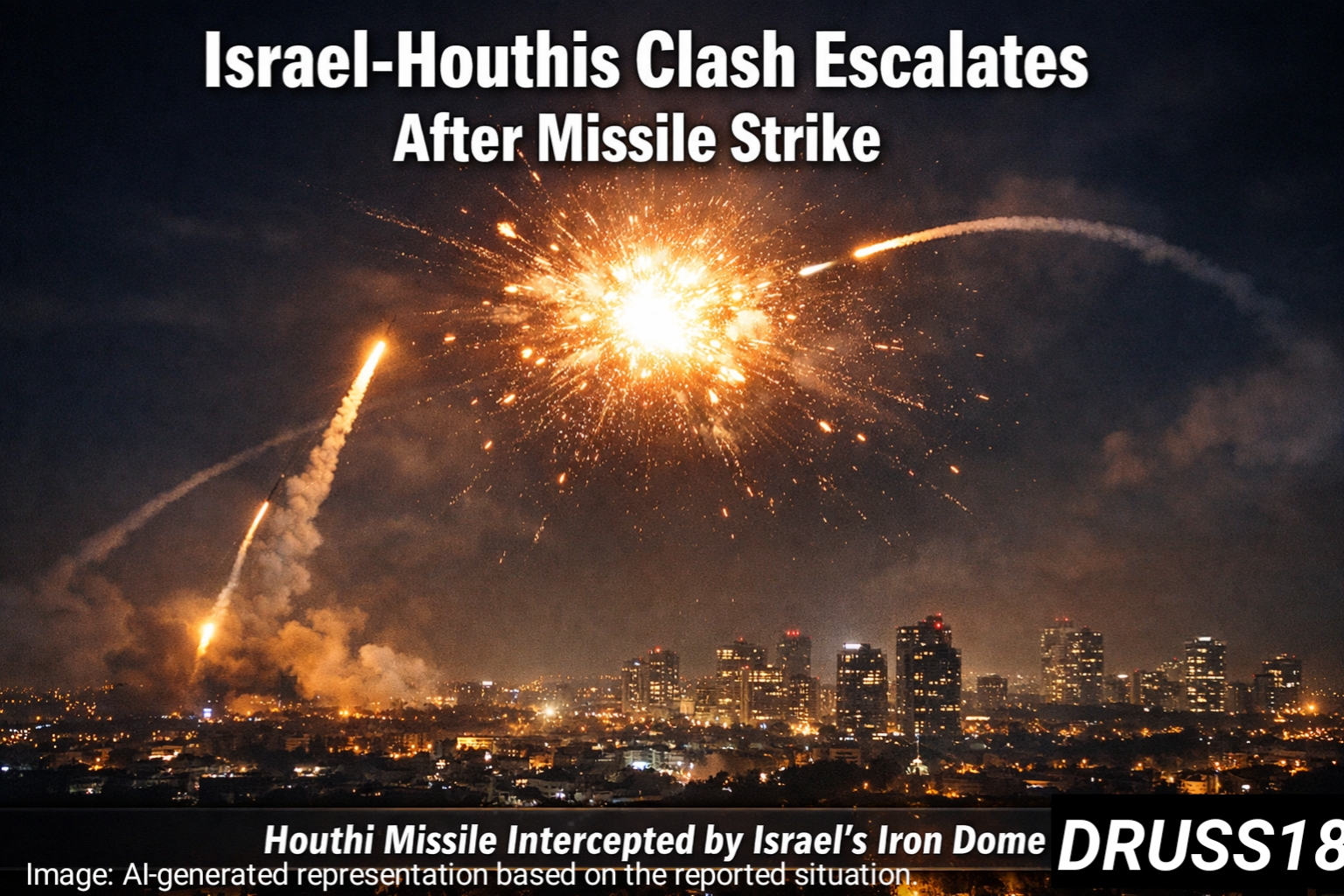
- Israel-Houthis Clash Escalates After Missile Strike A ballistic missile launched by Yemen’s Houthi forces toward Israel has sharply escalated tensions in the Middle East. The attack is linked to the widening regional fallout from ongoing conflicts involving Israel and Iran-backed groups.
- The strike raises fears of a broader regional war, threatens key shipping routes, and could impact global oil markets and geopolitical stability.
A dramatic escalation unfolded late Monday as Yemen’s Houthi rebels launched a ballistic missile toward Israel, intensifying an already volatile Middle East conflict and raising fears of a wider regional war involving Iran-backed forces.
The Israeli military said its air defense systems intercepted the incoming missile before it could cause significant damage. However, the attack marks one of the most direct long-range strikes by the Houthis against Israel, signaling a dangerous expansion of the conflict beyond Gaza and Lebanon.
The Houthis, who control large parts of Yemen, have increasingly positioned themselves as part of a broader “axis of resistance” aligned with Iran. In recent weeks, they have targeted Red Sea shipping lanes and launched drones and missiles toward Israeli territory. The latest strike appears to be a calculated move to demonstrate their growing reach and strategic coordination.
According to regional analysts and reports from outlets such as Reuters and Al Jazeera, the Houthis claim their actions are in response to Israel’s ongoing military operations in Gaza. However, independent verification of specific targeting claims remains limited, and much of the information comes from military statements on both sides.
Israel has responded by placing its defense forces on heightened alert, particularly in southern regions. A senior Israeli military official, speaking on condition of anonymity, said, “We are prepared for multi-front threats and will respond decisively to any aggression.” The statement underscores growing concern that Israel could soon face simultaneous attacks from Gaza, Lebanon, Syria, and now Yemen.
The broader geopolitical implications are significant. The Red Sea, a vital global shipping corridor, has already seen disruptions due to Houthi attacks on commercial vessels. Major shipping companies have rerouted cargo, increasing costs and delays. Energy markets are also watching closely—oil prices have shown volatility in recent days amid fears of supply disruptions if the conflict widens.
The United States and its allies have condemned the missile launch, warning against further escalation. Washington has previously conducted limited strikes against Houthi positions to protect maritime routes. Analysts suggest that continued attacks could trigger a more coordinated Western military response, further complicating the regional security landscape.
At the heart of the crisis lies the risk of miscalculation. With multiple armed groups operating across the region and overlapping conflicts intensifying, even a single strike could spiral into a broader confrontation. Iran’s role remains a critical factor, as it backs several groups involved in the conflict, though Tehran often denies direct operational control.
What remains unclear is how far the Houthis are willing to push their involvement. While their capabilities have grown, sustained long-range attacks could provoke direct retaliation from Israel or its allies—something that could dramatically reshape the conflict’s scope.
For now, the missile interception may have prevented immediate casualties, but it has not reduced the risk. Instead, it highlights how quickly the Middle East conflict is expanding, drawing in new actors and increasing the stakes for global security.
Conclusion
The Houthis’ missile strike on Israel signals a clear escalation with potentially far-reaching consequences. While the immediate threat was contained, the broader conflict is becoming more complex and dangerous.
With tensions rising across multiple fronts, the coming days could determine whether this remains a series of contained clashes—or spirals into a wider regional war with global repercussions.