Summary
- US ‘No Kings’ Protests Erupt Nationwide, Political Tensions Surge Mass “No Kings” protests have erupted across the United States, reflecting growing anger over political power and leadership concerns.
- Demonstrators are voicing fears about democracy, authority, and governance amid a deeply polarized climate.
- The movement signals rising domestic tension that could influence U.S. politics, global markets, and international perceptions of stability.
Crowds filled streets across the United States on Tuesday as “No Kings” protests surged nationwide, exposing deep political fractures and intensifying concerns over the country’s democratic direction.
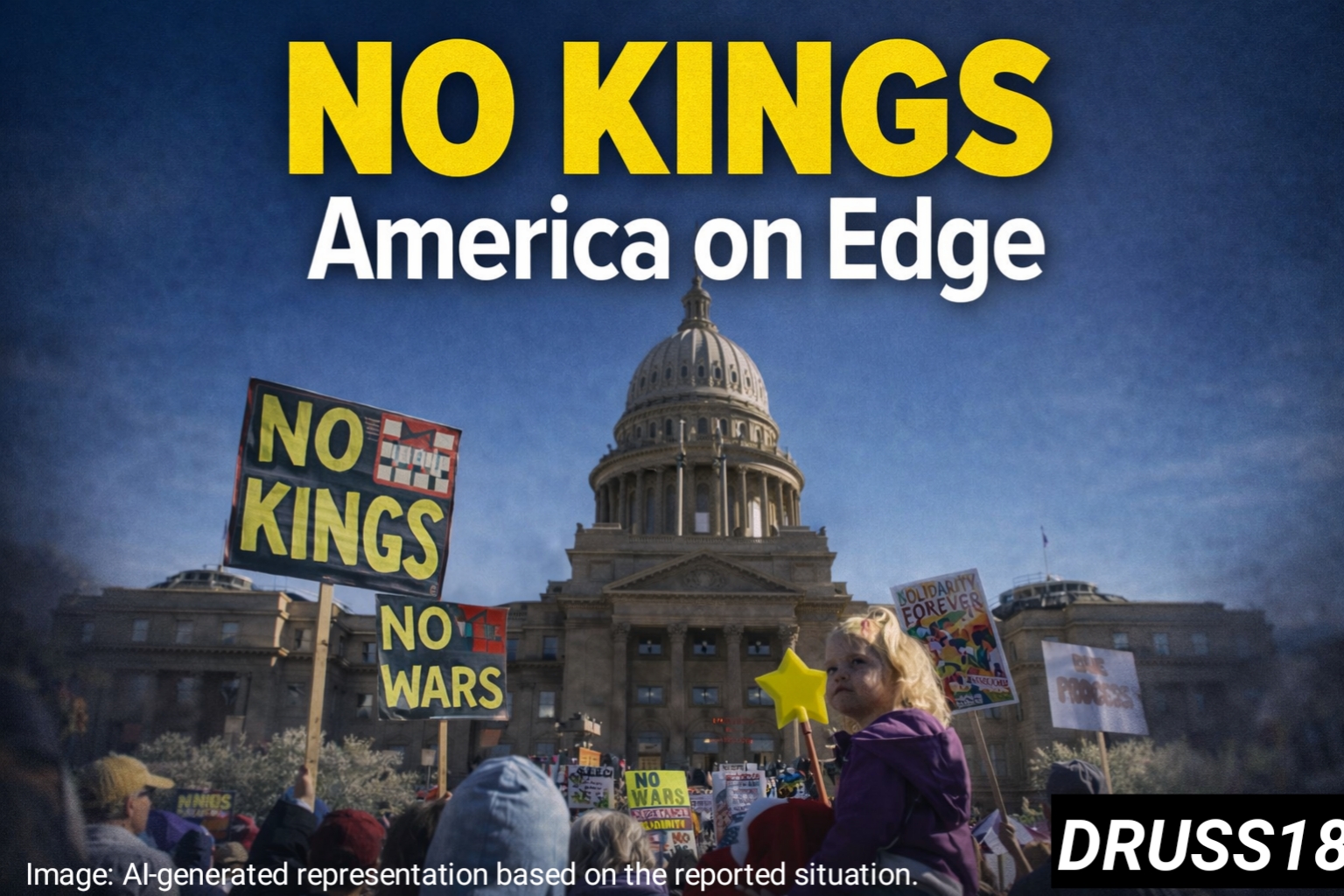
From state capitols to major cities, demonstrators carried signs reading “No Kings” and “No Wars,” signaling opposition to concentrated political power and fears of authoritarian leadership. The protests, reported by outlets including The New York Times and Associated Press, appeared largely peaceful but carried a strong message of resistance.
The phrase “No Kings” reflects a symbolic rejection of unchecked authority—an idea rooted in American history but now re-emerging in a modern political context. Analysts say the movement is fueled by growing distrust in institutions, ongoing political battles, and fears that democratic norms could be eroding.
Protests were seen near government buildings, including areas around the United States Capitol, where demonstrators gathered in large numbers. Signs calling for peace and accountability highlighted concerns not just about domestic leadership, but also about foreign policy decisions and military involvement abroad.
Political experts note that while the protests do not center on a single leader, they reflect broader dissatisfaction across the political spectrum. “This is less about one figure and more about systemic frustration,” one analyst told Reuters. “It signals a deeper anxiety about power and governance in the U.S.”
The timing is significant. With the U.S. heading toward another high-stakes election cycle, public demonstrations like these could shape political narratives and voter sentiment. Rising polarization has already affected policy-making, economic stability, and investor confidence, with markets closely watching signs of unrest.
Globally, the protests are being observed as an indicator of internal stability in one of the world’s most influential nations. Allies and rivals alike monitor such developments, as domestic unrest in the U.S. can have ripple effects on global trade, diplomatic relations, and security alliances.
While there have been no widespread reports of violence, the scale and intensity of the protests underscore a growing divide. Some officials have urged calm, emphasizing the importance of peaceful expression, while others have downplayed the movement’s long-term impact.
What remains unclear is how sustained these protests will be—and whether they will translate into concrete political change. For now, the “No Kings” movement stands as a visible reminder of rising tensions within American society.
Conclusion
The “No Kings” protests highlight a critical moment in U.S. politics, where public frustration is becoming increasingly visible on the streets.
While the demonstrations remain largely peaceful, their message points to deeper concerns about power and democracy.
The coming months will reveal whether this movement fades—or becomes a defining force in America’s political future.