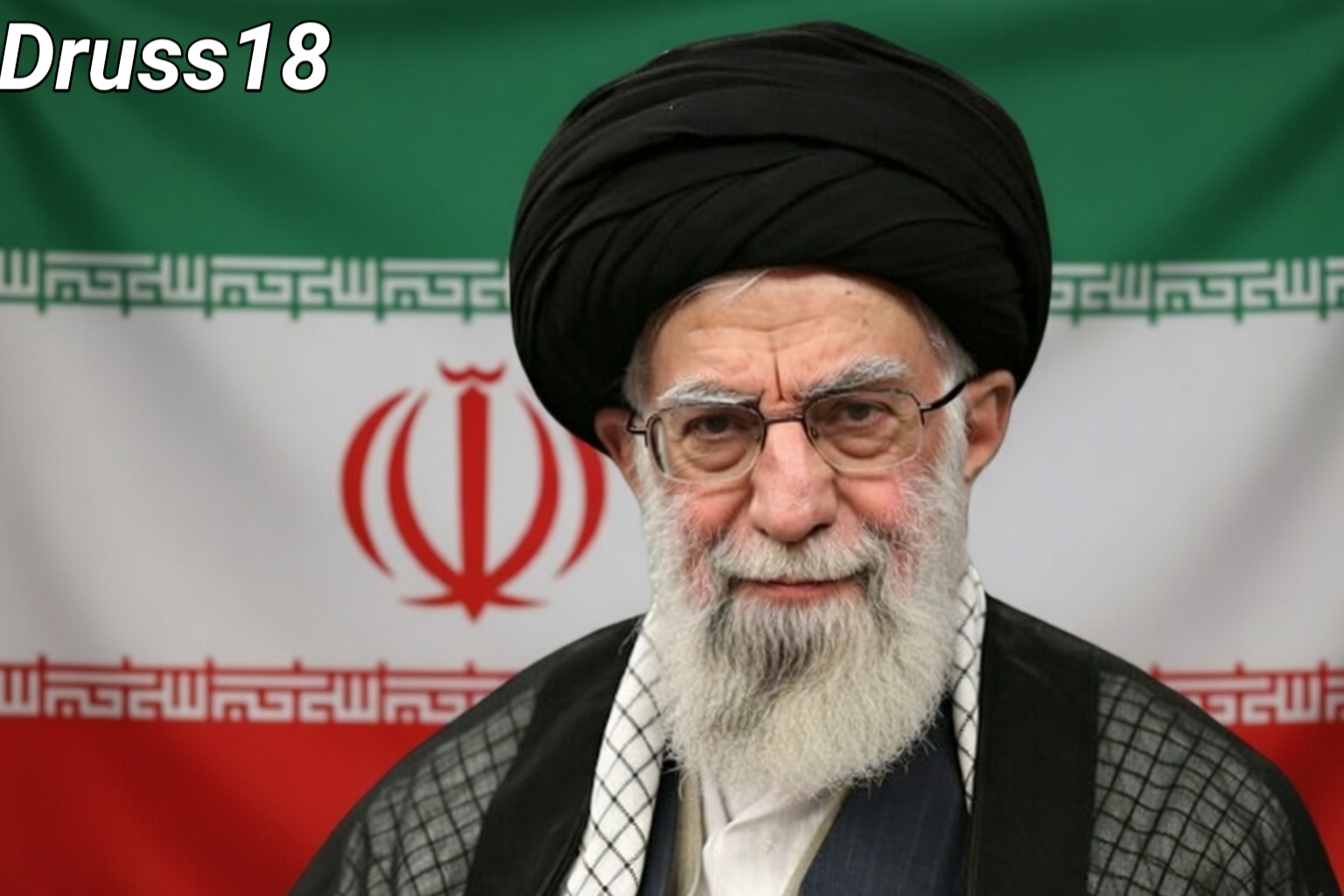
The debate over Iran regime change after Khamenei killing has intensified in Washington following new intelligence assessments
Senior U.S. officials are expressing deep skepticism that the killing of Iran’s Supreme Leader Ayatollah Ali Khamenei will quickly bring down the country’s ruling system. While President Donald Trump has publicly encouraged Iranians to “take back” their nation, intelligence assessments circulating within the U.S. government suggest the path to regime change is far from certain.
Behind the scenes, officials say the situation in Tehran remains fluid — but not necessarily on the brink of collapse.
Intelligence Assessments Raise Doubts
According to several U.S. officials familiar with internal discussions, intelligence agencies have cautioned the White House that Iran’s leadership structure is resilient, even after suffering significant losses from U.S. and Israeli airstrikes.
Analysts concluded in assessments presented before the military operation that if Khamenei were killed, power would likely shift to other hard-line figures. Potential successors could emerge from the Islamic Revolutionary Guard Corps (IRGC) or from senior clerical ranks aligned with the current system.
Officials emphasized that no one has ruled out the possibility of major political upheaval. However, they described an immediate collapse of the government as unlikely.
One official with knowledge of White House deliberations said the IRGC is deeply entrenched within Iran’s political and economic systems. The organization has built extensive networks of loyalty over decades, making voluntary surrender or fragmentation improbable in the short term.
Opposition Faces Structural Challenges
Intelligence reporting also noted the absence of meaningful defections from the IRGC during a wave of anti-government protests earlier this year. Those demonstrations were met with force by Iranian security services.
U.S. officials say such defections would likely be a necessary condition for any successful revolution. Without splits inside the security apparatus, opposition movements face significant obstacles.
President Trump has called on Iranians seeking freedom to seize what he described as a pivotal moment. In a video posted on Truth Social, he urged citizens to reclaim control of their country. At the same time, he indicated that Washington may seek to reopen communication channels with Tehran, signaling that U.S. policymakers are preparing for multiple possible outcomes.
The White House has not provided detailed public comment on intelligence findings, and the CIA has declined to discuss internal assessments.
Interim Leadership Takes Shape in Tehran
In Tehran, officials moved quickly to project continuity. Iranian President Masoud Pezeshkian announced that a temporary leadership council — including himself, the head of the judiciary, and a member of the powerful Guardian Council — would assume the duties of the Supreme Leader for now.
Security chief Ali Larijani accused the United States and Israel of attempting to destabilize the country and warned against separatist activity. State media reported that recent airstrikes included damage to civilian areas, though those claims have not been independently verified.
The formation of an interim leadership structure suggests that key institutions remain operational despite the loss of the country’s top authority.
Debate Over Nuclear and Missile Programs
Within the U.S. government, discussions have extended beyond the question of regime change. Officials say there is ongoing debate about whether new leadership in Iran would alter the country’s approach to nuclear negotiations with Washington.
Some policymakers argue that a leadership transition could open space for renewed diplomacy. Others believe Iran’s strategic priorities — particularly regarding nuclear development and ballistic missile capabilities — are embedded within state institutions and unlikely to shift dramatically.
Officials have also examined whether the killing of Khamenei could deter Tehran from rebuilding military infrastructure damaged in recent strikes. No consensus has emerged.
These questions carry global implications. Iran’s nuclear program has long been a flashpoint affecting energy markets, regional stability, and U.S. relations with allies in the Middle East. Any shift in policy could influence oil prices, international trade flows, and diplomatic dynamics.
Questions About External Support for Opposition
Following earlier protests in January, U.S. envoy Steve Witkoff reportedly held conversations with Iranian opposition figure Reza Pahlavi, the exiled son of Iran’s last monarch. The discussions raised questions about how far Washington might go in supporting an alternative leadership if the current government were to fall.
However, more recent internal conversations reflect caution. Senior officials have grown increasingly doubtful that any opposition figure backed by the United States could realistically consolidate control over the country, particularly without broad internal support from Iran’s security forces.
Jonathan Panikoff, a former senior U.S. intelligence official now affiliated with the Atlantic Council, said the durability of the current system may ultimately depend on how rank-and-file security personnel respond if public protests expand.
If members of the security apparatus choose not to intervene against demonstrators, momentum could shift. But if armed factions remain loyal to existing power centers, they are likely to retain control.
What Happens Next
For now, U.S. officials describe the situation as uncertain but not revolutionary. Iran’s government faces pressure from military strikes, economic strain, and domestic dissatisfaction. Yet its institutional foundations — including the IRGC and clerical networks — remain intact.
In the coming weeks, attention will focus on whether protests intensify, whether cracks appear within the security services, and whether diplomatic channels reopen between Washington and Tehran.
For ordinary Iranians, the stakes are high. Political instability could affect daily life, economic conditions, and personal security. For American businesses and consumers, developments in Iran may influence global energy markets and broader regional stability.
Despite dramatic developments, U.S. intelligence officials say one conclusion stands out: removing a leader does not automatically dismantle a system. What follows will depend less on rhetoric abroad and more on decisions made inside Iran’s power structure.
- This report is based on information widely covered across international media platforms. The editorial team at Druss18 has reviewed publicly available reports and presented an independent analysis to provide readers with a clear and contextual understanding of the development.
- Thank you for staying with Druss18 News.