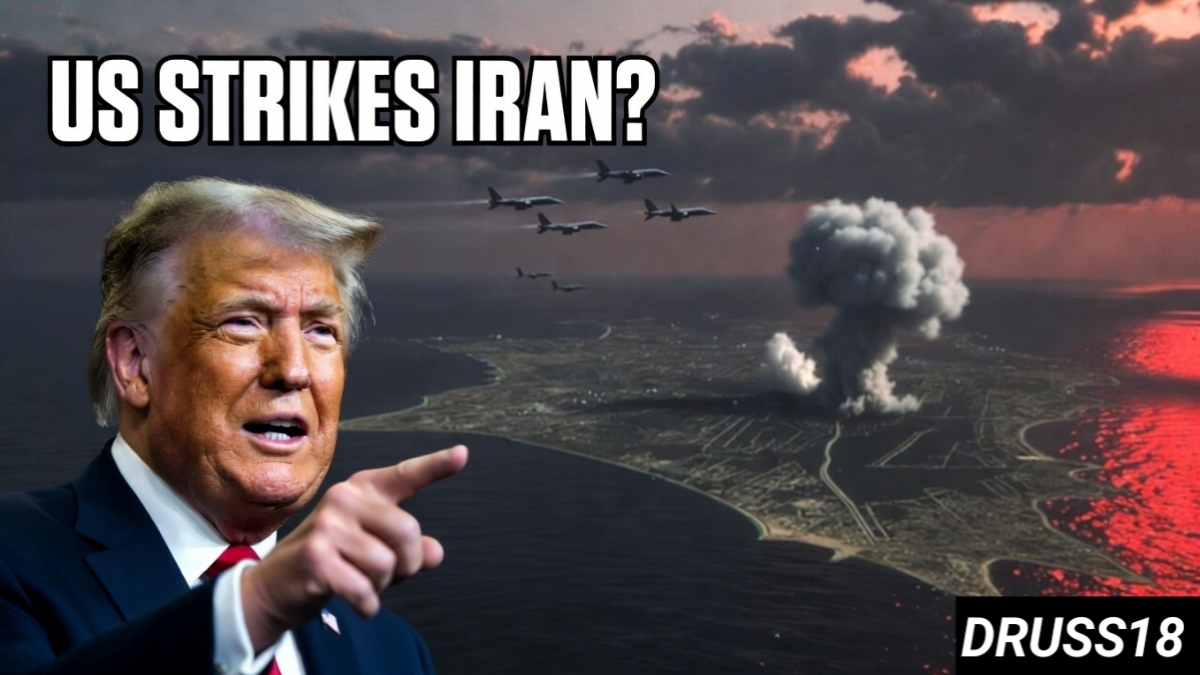
Trump Claims US Strikes ‘Decimated’ Iran’s Kharg Island Tensions in the Middle East rose sharply after U.S. President Donald Trump said he was “surprised” that Iran had targeted locations linked to Gulf countries while also claiming that American forces had “decimated” military sites on Iran’s Kharg Island, a key hub in the country’s oil export network. The remarks came amid a rapidly evolving crisis in the region that has raised fears of wider conflict and potential disruptions to global energy supplies.
The situation has drawn attention from governments, energy markets, and shipping companies worldwide, as Kharg Island plays a central role in Iran’s ability to export crude oil.
Why Kharg Island Matters to Global Energy
Kharg Island, located in the Persian Gulf off Iran’s southern coast, is one of the country’s most important oil terminals. For decades it has handled the majority of Iran’s crude exports, with large storage tanks, loading terminals, and infrastructure connecting offshore facilities to tankers.
Because of its strategic location, the island has long been considered a potential flashpoint in regional conflicts. During the Iran-Iraq war in the 1980s, Kharg Island was repeatedly targeted in attacks aimed at disrupting oil exports.
Any damage to infrastructure on the island could affect not only Iran’s economy but also the wider global oil market. When tensions threaten energy supply routes in the Persian Gulf, oil prices often react quickly due to fears of disruptions in shipments.
Analysts say Kharg Island’s significance means that even limited military activity around the facility can send shockwaves through energy markets and international trade routes.
Trump’s Statement on U.S. Military Action
In public remarks about the developing crisis, Trump said U.S. forces had carried out operations that “decimated” military targets on Kharg Island. According to his description, the strikes focused on sites linked to Iran’s military presence on or near the island.
The statement suggested that the United States was responding to escalating threats in the region and attempting to weaken Iranian military capabilities connected to maritime operations in the Gulf.
Trump also expressed surprise that Iran had directed attacks toward Gulf countries rather than focusing solely on U.S. assets in the region. His comments indicated that Washington was closely monitoring the expanding scope of the confrontation.
U.S. officials have previously stated that protecting international shipping routes and regional partners is a key priority during periods of heightened tension in the Gulf.
Rising Regional Tensions and Security Concerns
The Persian Gulf has long been one of the world’s most sensitive geopolitical areas because of its concentration of energy resources and critical shipping lanes.
A large portion of the world’s seaborne oil passes through the Strait of Hormuz, a narrow waterway connecting the Persian Gulf to the Gulf of Oman and the wider Arabian Sea. Any conflict involving countries in the region can quickly affect the safety of ships traveling through the route.
Recent developments have raised concerns about attacks on energy infrastructure, commercial vessels, and military installations. Gulf countries have invested heavily in air defense systems and maritime security to protect their facilities.
If the conflict expands, shipping companies and insurers could face increased risks when operating in the region. This could lead to higher shipping costs, delays in deliveries, and volatility in energy prices.
For ordinary consumers around the world, disruptions in oil supplies often translate into higher fuel prices and increased costs for goods and transportation.
Iran’s Role and Regional Dynamics
Iran has long been a major political and military power in the Middle East, with influence across several neighboring countries and strategic interests in the Persian Gulf.
Over the years, tensions between Iran and the United States have risen over issues including nuclear policy, regional security, and economic sanctions.
Iran has also maintained strong military capabilities in the Gulf, including naval units, missile systems, and coastal defense infrastructure. These assets are designed in part to control or threaten shipping routes if conflict escalates.
Because many Gulf nations host military bases and cooperate with Western security alliances, any confrontation involving Iran and the United States can quickly affect multiple countries in the region.
This complex network of alliances and rivalries makes the situation particularly sensitive.
Economic and Global Implications
Energy markets closely watch events in the Persian Gulf because the region accounts for a large share of the world’s oil production and exports.
Even the possibility of damage to major facilities such as those on Kharg Island can trigger price fluctuations. Traders and analysts often react quickly to signs of instability, which can lead to rapid swings in oil markets.
Beyond energy, global shipping routes passing through the region are also essential for international trade. Increased military activity can force vessels to reroute or delay shipments, affecting supply chains.
Businesses that rely on stable energy prices and predictable shipping schedules may face additional costs if the crisis continues.
Governments in Europe, Asia, and other parts of the world are also watching developments closely, as many countries depend heavily on oil from the Gulf.
What Could Happen Next
The coming days may prove critical in determining whether tensions ease or escalate further. Diplomatic efforts could attempt to prevent the conflict from spreading, while military forces in the region remain on high alert.
Observers say the key factors to watch include whether additional strikes occur, how Iran responds to the situation, and whether attacks continue against infrastructure or shipping in the Gulf.
Any further escalation could have significant consequences for regional stability and the global economy.
For now, governments, businesses, and energy markets remain focused on developments around Kharg Island and the wider Persian Gulf as the crisis continues to unfold.