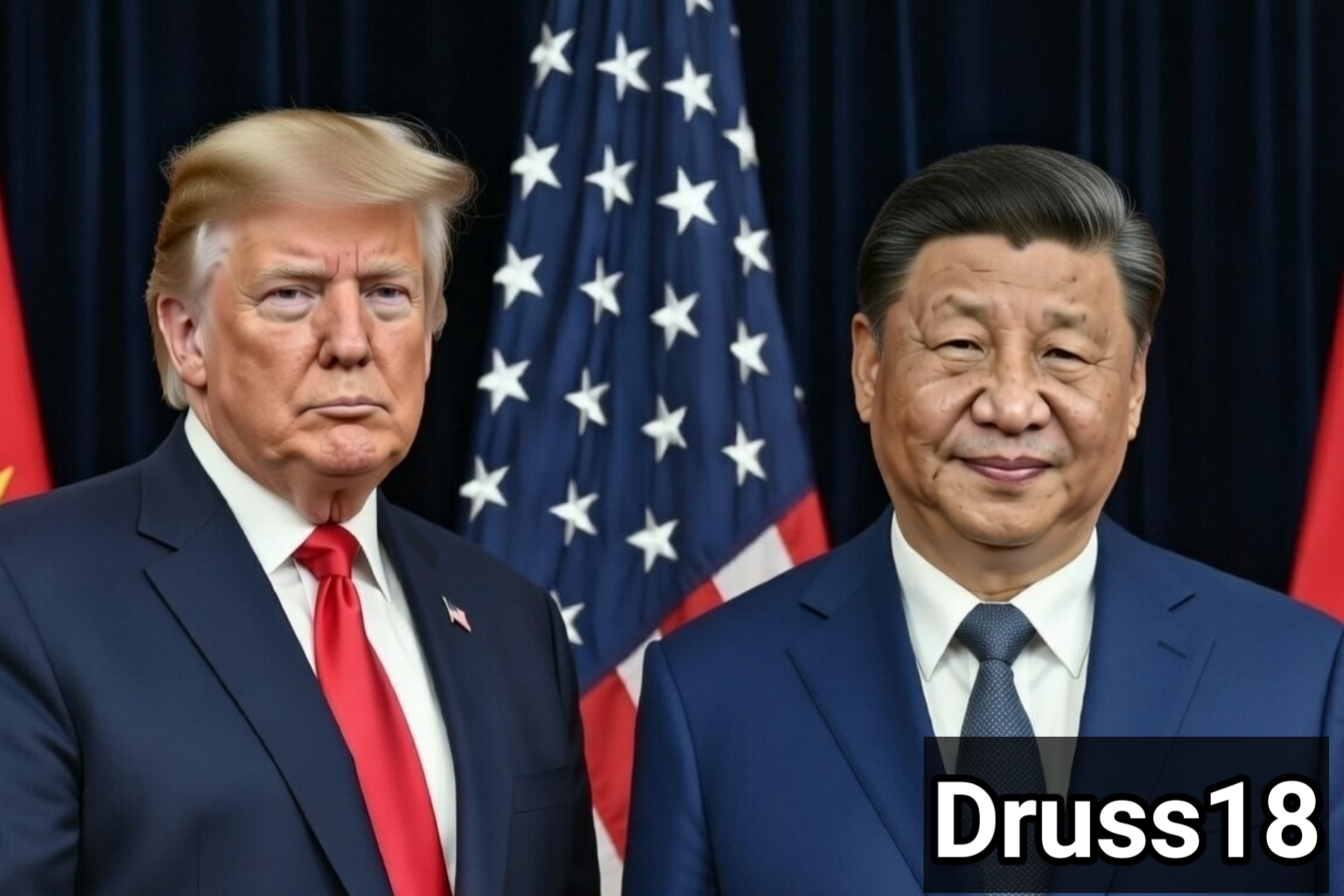
Just weeks before President Donald Trump is expected to travel to Beijing for a high-profile meeting with Chinese President Xi Jinping, rising tensions in the Middle East are adding new strain to U.S.-China relations.
The situation escalated after U.S. and Israeli military strikes in Iran reportedly killed the country’s Supreme Leader, Ali Khamenei. The development has drawn sharp criticism from Beijing and could cast a shadow over Trump’s planned March 31 visit to China.
China Condemns U.S. Actions
China’s Foreign Minister, Wang Yi, called the killing of a sovereign nation’s leader “unacceptable” during a phone conversation with Russia’s foreign minister. According to Chinese officials, Wang warned that the United States risked pushing the Middle East toward deeper instability.
These developments come at a critical time as discussions about the Trump Iran strikes Xi summit are underway.
The condemnation comes at a sensitive moment. U.S. and Chinese officials have been working in recent months to stabilize ties after years of trade disputes, technology restrictions, and military tensions in Asia. Trump’s upcoming trip to Beijing was widely seen as an opportunity to reinforce a fragile trade truce and reset communication channels between the world’s two largest economies.
Beijing’s reaction suggests that diplomatic progress may now face new obstacles.
Pattern of Leadership Changes Raises Concerns
The strikes on Iran follow another dramatic move earlier this year when the United States removed Venezuelan President Nicolás Maduro from power. Both Iran and Venezuela have maintained political and economic ties with Beijing, though neither country is considered central to China’s trade or security strategy.
Still, some analysts say the removal of leaders seen as friendly to Beijing raises broader questions about how China views Washington’s foreign policy direction. While there is no indication that the United States intends to target other governments, the perception of expanding U.S. intervention could affect how China approaches its engagement with Washington.
The timing is especially delicate. President Xi Jinping is preparing for one of China’s most important political gatherings of the year, where officials are expected to outline economic priorities and set a growth target for 2026. Stability abroad is often seen as critical to maintaining investor confidence at home.
Oil Markets and Global Economy Feel the Impact
Beyond diplomacy, the crisis has immediate economic consequences.
The Strait of Hormuz, a key shipping route that carries roughly a quarter of the world’s seaborne oil, has been affected by the conflict. Some vessels are reportedly avoiding the passage due to security concerns. For China, this is particularly significant. The country imports a substantial share of its crude oil from Iran, and prolonged disruption could increase costs for Chinese refiners and manufacturers.
Higher oil prices could also ripple across the global economy. For American consumers, that may mean rising gasoline prices. Businesses dependent on shipping and energy could face higher operating expenses, potentially feeding into inflation at a time when many households are already sensitive to price increases.
Air travel in parts of the Middle East has also been disrupted as regional tensions spread. Projectiles have struck infrastructure in the region, including damage reported at Dubai’s main airport, a major global aviation hub. Flight delays and rerouted cargo shipments could further strain international supply chains.
Russia, the U.N., and Expanding Alliances
China and Russia jointly called for an emergency meeting of the United Nations Security Council, where both countries hold permanent seats alongside the United States, the United Kingdom, and France. Moscow described the U.S. action as unprovoked aggression.
The crisis may deepen coordination between Beijing and Moscow, particularly in energy and security matters. China has sought to diversify oil supplies and maintain steady imports amid global uncertainty. Stronger cooperation with Russia could help Beijing secure alternative energy flows if disruptions in the Middle East continue.
In recent years, China has also expanded multilateral groupings such as the Shanghai Cooperation Organization and the BRICS bloc, both of which include countries seeking alternatives to Western-led institutions. Iran joined these groupings under Xi’s leadership, reflecting Beijing’s effort to increase its influence in the region.
However, China’s past behavior suggests it may limit its response to diplomatic statements and continued trade rather than direct military involvement.
Broader Regional Pressures
The Middle East conflict is unfolding as China faces challenges closer to home. Tensions have flared along parts of its broader periphery, including renewed clashes between Afghanistan and Pakistan. Meanwhile, diplomatic friction with Japan has resurfaced following comments by Japanese Prime Minister Sanae Takaichi regarding Taiwan.
These overlapping issues could shift Beijing’s focus toward regional stability rather than a prolonged confrontation over Iran.
At the same time, China’s leadership has been managing internal political developments. Two senior military officials are under investigation, and observers will closely watch upcoming parliamentary sessions for signals about policy direction and leadership stability.
What It Means for the Trump-Xi Summit
Despite sharp rhetoric, many analysts believe the planned summit between Trump and Xi is still likely to proceed. Both governments have practical incentives to keep dialogue open.
The United States and China remain deeply interconnected through trade. A one-year truce in tariff disputes has helped ease pressure on exporters and manufacturers in both countries. Maintaining that arrangement could provide economic stability at a time of global uncertainty.
For American businesses, continued access to Chinese markets and critical minerals remains important. For China, steady trade with the U.S. supports growth as it deals with a property downturn and weaker consumer demand at home.
The coming weeks will reveal whether diplomatic channels can contain the fallout from the Iran strikes. If tensions escalate further or energy disruptions persist, the tone of the Beijing summit may shift from partnership to crisis management.
For now, both sides appear to have reasons to keep the meeting on track — even as geopolitical risks continue to rise.
- This report is based on information widely covered across international media platforms. The editorial team at Druss18 has reviewed publicly available reports and presented an independent analysis to provide readers with a clear and contextual understanding of the development.
- Thank you for staying with Druss18 News.
- Image: AI-generated representation based on the reported situation.