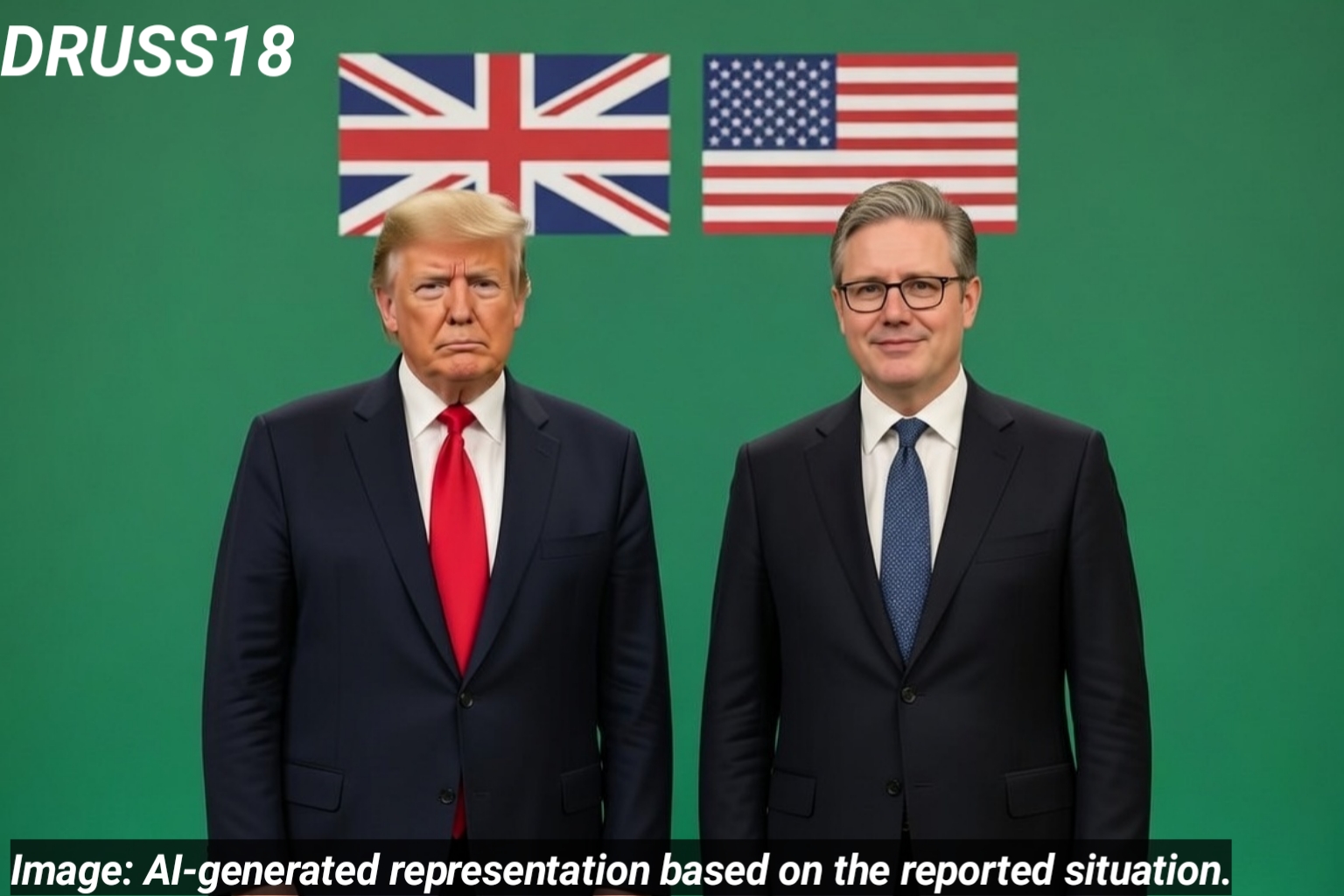
The Trump Starmer Iran dispute has drawn attention after Donald Trump criticized UK Prime Minister Keir Starmer over Britain’s approach to the Iran conflict.
British Prime Minister Keir Starmer has brushed aside recent criticism from U.S. President Donald Trump over the United Kingdom’s approach to the Iran conflict, signaling that his government intends to continue following its own strategic judgment.
The remarks came during a tense exchange in Parliament, where Starmer defended his government’s handling of cooperation with the United States while emphasizing that the partnership between the two countries goes beyond individual comments or disagreements.
Trump Questions UK Response to Iran Conflict
Trump publicly criticized the British government earlier this week, suggesting that London delayed granting U.S. forces permission to use British airbases for operations connected to the conflict involving Iran.
In separate interviews with British newspapers, the U.S. president said the prime minister “took far too long” to approve access to military facilities and later described Starmer as “not helpful” in the situation. At one point, Trump also compared the British leader unfavorably to wartime prime minister Winston Churchill.
Such statements drew attention in both Washington and London, as public disagreements between American presidents and British prime ministers are relatively uncommon given the traditionally close ties between the two countries.
However, Starmer responded by highlighting the ongoing military cooperation between the United Kingdom and the United States.
Speaking in Parliament, he said American aircraft continue to operate from British bases and intelligence sharing between the two nations remains constant, adding that these actions demonstrate the continued strength of the relationship.
The “Special Relationship” Under Pressure
The alliance between the United Kingdom and the United States—often referred to as the “special relationship”—has historically included close military coordination, intelligence sharing, and diplomatic cooperation.
British facilities have long been used to support U.S. operations abroad, particularly during conflicts in the Middle East. This cooperation has sometimes sparked political debate in the UK, especially when military actions are controversial among voters.
In the current situation, the United States has been carrying out military actions targeting Iran and its regional allies. These operations have raised concerns about the possibility of a broader conflict in the Middle East, a region that already plays a critical role in global energy supplies and international security.
Any escalation could influence fuel prices, international trade routes, and the safety of Western nationals living or working in the region.
Public Opinion in Britain
While opposition politicians have criticized Starmer for not immediately backing the U.S.-led military effort, public opinion in Britain appears more cautious.
Recent polling suggests many British voters are skeptical about the wider military campaign against Iran. Surveys also show mixed views about allowing U.S. aircraft to launch attacks from British bases.
This cautious public mood may explain the government’s measured approach. British leaders often face strong domestic scrutiny when deciding whether to support military operations led by allies, particularly after past conflicts such as the Iraq War generated significant political backlash.
For ordinary citizens, decisions about military cooperation can carry practical consequences, including the potential deployment of British troops, increased defense spending, and heightened security risks at home.
Managing a Complicated Diplomatic Relationship
Despite the recent criticism, British officials appear determined to maintain steady relations with Washington.
Starmer has previously worked to build a cooperative relationship with the U.S. administration. During an earlier visit to the White House, he even delivered a letter from King Charles proposing a second state visit for Trump—an unusual diplomatic gesture aimed at strengthening ties.
British officials have also viewed Starmer as someone capable of acting as a bridge between the United States and European partners at a time when international alliances are facing new pressures.
At the same time, London has occasionally pushed back when comments from Washington have crossed political lines. In the past, Starmer criticized Trump for remarks about British soldiers who served in Afghanistan, calling those statements inappropriate.
These moments illustrate the delicate balance British leaders often try to maintain: preserving cooperation with the United States while defending domestic political interests and national reputation.
A Wider Challenge for U.S. Allies
The situation facing Britain is not unique. Many U.S. allies have struggled to manage their relationships with Washington when policy disagreements arise.
International partnerships often require cooperation on security and economic issues even when leaders publicly disagree. For governments across Europe and beyond, maintaining stable ties with the United States remains a central priority because of America’s military power and economic influence.
At the same time, domestic politics within each country can shape how closely governments align themselves with U.S. policies, particularly on sensitive issues such as military action
What Could Happen Next
For now, the United Kingdom continues to support certain aspects of U.S. operations while avoiding full participation in the broader campaign against Iran.
The future of this approach may depend on how the conflict develops. If tensions in the Middle East escalate further, pressure could grow on Britain to expand its role. On the other hand, continued public caution about military involvement may encourage the government to maintain its current limited stance.
As the situation evolves, the durability of the U.S.–UK partnership will likely be tested, especially as both governments navigate the political and strategic consequences of the crisis
The Trump Starmer Iran dispute highlights growing tensions between the United States and the United Kingdom over Iran policy.
- This report is based on information widely covered across international media platforms. The editorial team at Druss18 has reviewed publicly available reports and presented an independent analysis to provide readers with a clear and contextual understanding of the development.