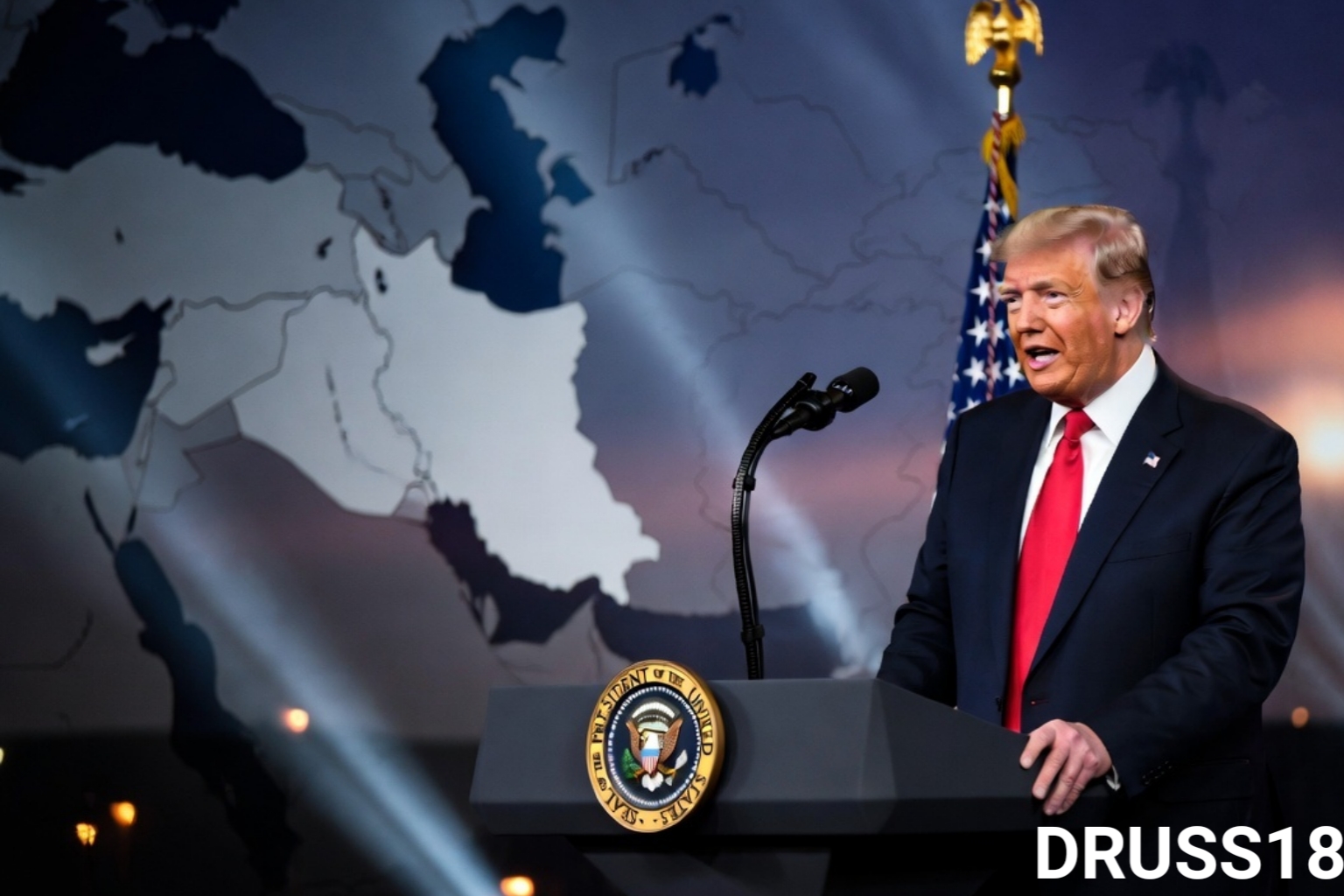
Trump Threatens Trade Action Against Spain After Military Base Dispute
President Donald Trump has warned that the United States could cut off trade with Spain after Madrid blocked the U.S. from using military bases on its territory for operations related to Iran.
Speaking to reporters at the White House, Trump said he was prepared to halt business ties with Spain and accused the country of being uncooperative. His comments mark a sharp escalation in tensions between Washington and Madrid at a time when relations are already strained over defense spending and Middle East policy.
Military Base Access Triggers Dispute
The disagreement centers on U.S. access to military facilities in southern Spain. Spanish officials recently said American forces would not be allowed to use those bases for operations connected to Iran, arguing that such involvement could violate international law and the United Nations charter.
Trump responded by suggesting he could stop trade with Spain “tomorrow” if necessary. He said his administration has the authority to act in the interest of national and economic security.
Treasury Secretary Scott Bessent echoed the president’s view, saying the U.S. has legal tools that could allow restrictions on Spanish imports. However, U.S. Trade Representative Jamieson Greer appeared more cautious, telling the president that the issue would need further discussion.
The White House has not provided additional details on how such measures might be implemented.
NATO Spending and Broader Tensions
The trade warning comes amid ongoing disagreements over defense spending within NATO. Trump has repeatedly pressed alliance members to raise military budgets to 5% of gross domestic product. Spain has resisted that target, placing it among the countries that have not committed to the higher benchmark.
Spanish Prime Minister Pedro Sánchez recently criticized U.S. and Israeli military actions involving Iran, describing them as unjustified and contrary to international law. His remarks further widened the political gap between the two governments.
Germany’s chancellor, Friedrich Merz, who met with Trump this week, reportedly reminded the president that Spain is part of the European Union and that any trade discussions with the bloc would necessarily include Madrid.
Trade Ties Worth Billions
The economic relationship between the two countries is significant.
According to U.S. government data, American exports to Spain totaled about $26 billion in 2025, while imports from Spain reached roughly $21 billion. Spain’s leading exports to the U.S. include pharmaceutical products and olive oil.
If Washington were to impose trade restrictions, American consumers could see higher prices on certain imported goods. U.S. exporters — including companies selling machinery, chemicals, and agricultural products — could also face retaliation or lost access to the Spanish market.
For Spanish businesses, especially those in food and pharmaceutical sectors, new barriers could disrupt supply chains and sales in one of their key overseas markets.
Legal and Practical Hurdles
Any attempt to target Spain alone would face complications because the country is part of the European Union, where goods move freely among 27 member states.
Trade policy for EU members is negotiated at the bloc level. That means restrictions on Spain could affect broader U.S.-EU relations and potentially invite a coordinated response from Brussels.
Spanish officials have said that if Washington seeks changes to trade arrangements, it must respect existing bilateral agreements between the U.S. and the EU, as well as international law and the independence of private companies.
What Could Happen Next
It remains unclear whether the administration will formally pursue trade penalties or whether the threat is part of broader negotiations over defense cooperation.
Diplomatic talks between Washington, Madrid, and European leaders are likely to continue in the coming weeks. Any concrete move toward trade restrictions would require legal review and could face challenges both domestically and internationally.
For now, businesses and policymakers on both sides are watching closely to see whether the dispute over military base access turns into a broader economic confrontation.
- This report is based on information widely covered across international media platforms. The editorial team at Druss18 has reviewed publicly available reports and presented an independent analysis to provide readers with a clear and contextual understanding of the development.