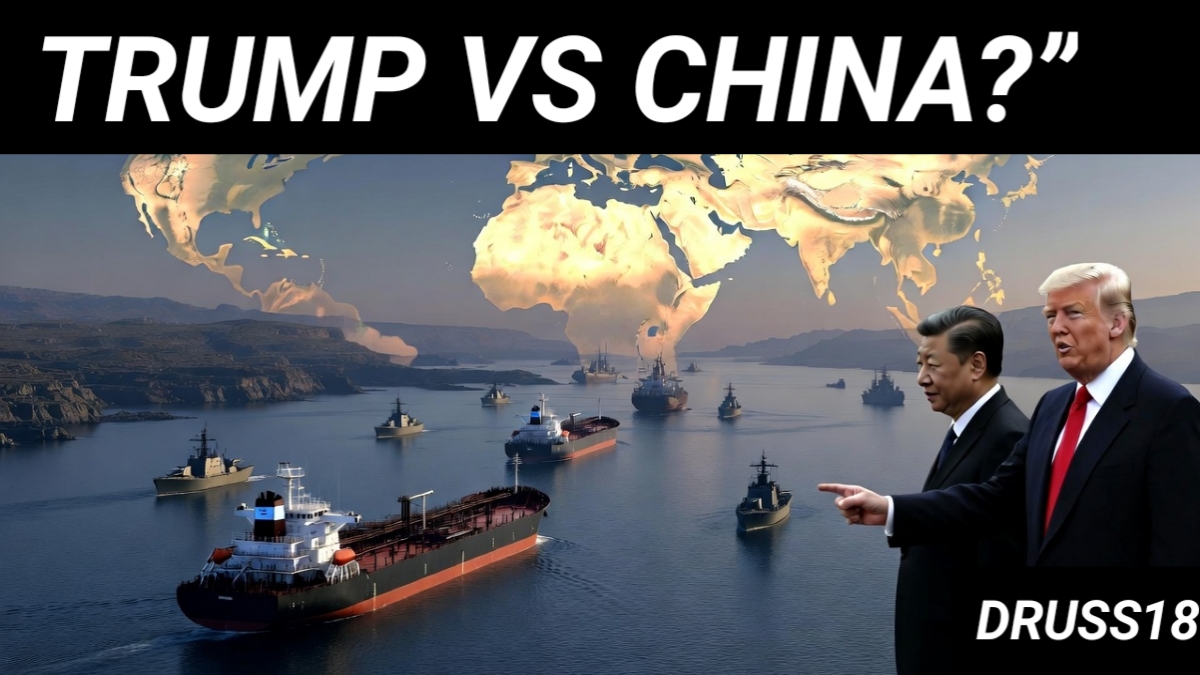
Trump Urges Countries to Send Warships to Hormuz Strait — China RespondsTensions around the Strait of Hormuz are drawing international attention after former U.S. President Donald Trump urged several countries to send naval forces to help secure the vital shipping route. His comments came as concerns grow over attacks on vessels and Iran’s restrictions on passage through the narrow waterway.
China and the United Kingdom have responded cautiously, emphasizing the need for stability while considering possible steps to protect commercial shipping. The situation is being closely watched by governments and energy markets worldwide.
Trump Calls for International Naval Presence
Trump said countries that rely on oil shipments passing through the Strait of Hormuz should contribute to protecting the route. In a message posted on social media on March 14, he argued that safeguarding the passage should be a shared responsibility among nations that benefit from its trade.
According to Trump, several governments—including China, France, Japan, South Korea, and the United Kingdom—could send warships to join U.S. forces in ensuring that shipping lanes remain open.
He said the United States would support those efforts and warned that the waterway could remain vulnerable even if Iran’s military capacity has been weakened. Trump suggested that relatively small attacks, such as drones, mines, or short-range missiles, could still disrupt maritime traffic.
So far, France, Japan, and South Korea have not publicly responded to the suggestion.
China Urges End to Hostilities
China’s embassy in Washington said Beijing supports efforts to reduce tensions and maintain stable energy supplies. In a statement, a spokesperson said all parties involved have a responsibility to ensure that oil and gas shipments move safely through the region.
China described itself as a “sincere friend and strategic partner” of Middle Eastern countries and said it would continue communicating with relevant governments and parties involved in the conflict.
Chinese officials also said they aim to play a constructive role in easing tensions and encouraging a return to stability.
The comments come at a time of uncertainty over a potential meeting between Trump and Chinese President Xi Jinping that had been expected in Beijing within the coming weeks.
UK Considering Options With Allies
The United Kingdom has not announced a final decision on military involvement but said discussions are underway.
A spokesperson for the British Ministry of Defence said the government is working with allies and partners to examine various options to protect shipping in the region. Officials stressed that ensuring the safety of commercial vessels remains a priority.
The Strait of Hormuz is one of the world’s most important maritime routes, and any disruption there can affect global energy markets and trade.
Iran Tightens Control Over the Strait
The current tensions follow Iran’s decision to close the Strait of Hormuz after military strikes carried out by the United States and Israel on February 28. Iranian authorities said ships passing through the strait would now require prior approval.
Iran’s Revolutionary Guard has warned that it would prevent oil shipments from reaching the United States through the passage.
However, Iranian officials indicated that vessels from some countries, including China, may still be allowed to transit the area.
The restrictions have already affected global energy markets. Brent crude oil prices were trading above $103 per barrel in mid-March as traders reacted to the possibility of prolonged disruptions.
Because a large share of the world’s oil and liquefied natural gas exports moves through the Strait of Hormuz, any instability there can quickly influence fuel prices and supply chains worldwide.
Growing Security Incidents at Sea
Maritime security agencies have reported a series of incidents involving commercial vessels since the tensions began.
According to updates from international maritime authorities, several ships have been damaged by projectiles or explosions over the past two weeks. In some cases, fires forced crews to abandon their vessels.
One attack earlier in March reportedly killed three crew members when an oil tanker caught fire after being struck. Additional incidents targeted cargo ships and support vessels, leaving some sailors missing.
Among the casualties was an Indian seafarer who died in an attack reported on March 11.
Regional Navies Increase Monitoring
Countries that depend heavily on Middle Eastern energy supplies are taking precautions.
Indian authorities said naval ships have been deployed near the Persian Gulf and remain on standby to assist merchant vessels heading toward India. Officials say the goal is to provide support if commercial ships encounter trouble while traveling through the region.
Iran has already allowed safe passage for at least two Indian liquefied petroleum gas carriers after coordination with Iranian authorities.
What Happens Next
The situation around the Strait of Hormuz remains fluid as governments weigh diplomatic and military responses.
If more countries decide to deploy naval forces, the region could see a larger international maritime presence aimed at protecting shipping routes. At the same time, diplomatic channels are likely to continue efforts to prevent further escalation.
For energy markets and global trade, the key question is whether commercial shipping can continue moving safely through one of the world’s most critical oil transit corridors.