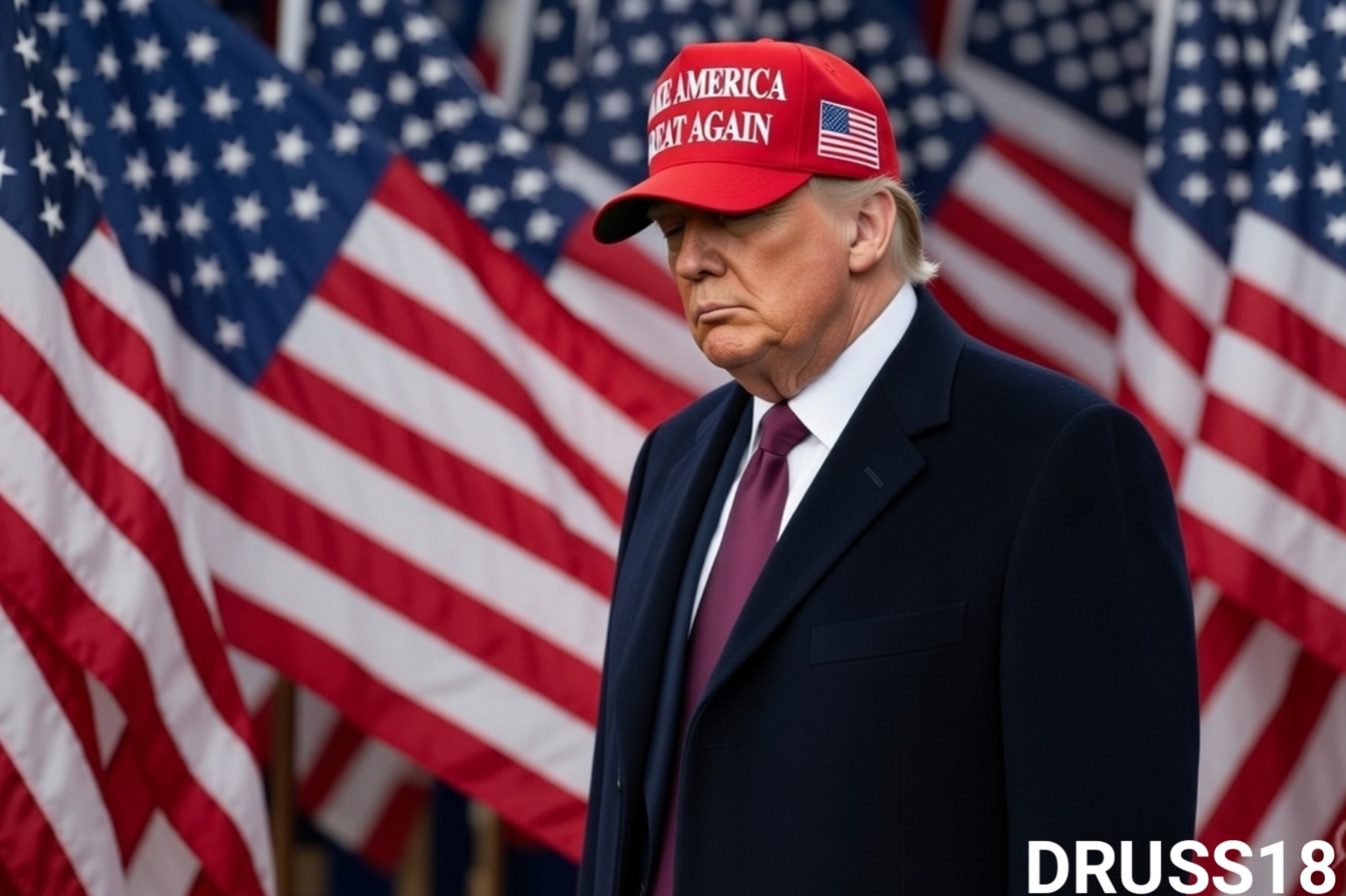
Trump’s “America First” Message Tested After U.S. Strikes on Iran
President Donald Trump rose to national prominence by sharply criticizing past U.S. wars and promising to avoid new foreign conflicts. Now, following U.S. and Israeli military strikes on Iran, he faces renewed scrutiny over whether his actions align with that long-standing pledge.
The weekend operation marks a significant moment in Trump’s political evolution. As a candidate in 2016, he described the Iraq War as a serious mistake and often warned against what he called reckless foreign interventions. Today, he is defending direct military action against Tehran, arguing it was necessary to address security threats.
From Campaign Rhetoric to Military ActionTrump has said the strikes were aimed at preventing Iran from advancing its nuclear program or developing missiles capable of reaching the United States. He previously asserted that earlier U.S. air operations had severely damaged Iran’s military capabilities. U.S. intelligence assessments have also indicated that Iran’s weapons programs were weakened, though concerns about future development remain.
The decision highlights a shift from Trump’s earlier campaign themes. During the 2024 race, he criticized his Democratic rival, Vice President Kamala Harris, portraying her as aligned with policymakers who favor military involvement overseas. His message resonated with voters wary of extended conflicts after the wars in Iraq and Afghanistan.
The latest strikes, however, place Trump at the center of a potential new confrontation. While the administration has described the action as limited and strategic, critics argue that even targeted operations can lead to broader consequences.
Political Reactions Divide Lawmakers
Republican leaders largely expressed support for the president. Senator John Cornyn of Texas said military action always carries risks but maintained that the United States and its allies must deter Iran. Indiana Senator Todd Young praised U.S. forces while noting that Americans will expect clear explanations about the goals and scope of the operation.
Not all Republicans agreed. Senator Rand Paul of Kentucky criticized the move, warning against what he described as another preemptive war. Former Representative Marjorie Taylor Greene also questioned the justification for the strikes, arguing that past claims about foreign threats have sometimes proven inaccurate.
Democrats signaled they intend to press for stronger congressional oversight. In Maine, where Senator Susan Collins faces reelection in a state won by Harris, Democratic challengers called for more scrutiny of the administration’s authority to carry out further attacks. Some lawmakers have indicated they may seek a vote on a war powers resolution aimed at limiting the president’s ability to expand military operations without congressional approval.
Public Opinion and Voter Concerns
Recent polling shows that many Americans remain concerned about Iran’s nuclear ambitions. About half of U.S. adults say they view Iran’s nuclear program as a serious threat. A majority describe Iran as an enemy of the United States.
At the same time, confidence in the president’s handling of military force and relations with adversaries appears limited. Only a minority of respondents say they have strong trust in Trump’s judgment on foreign policy matters.
For voters already focused on inflation, job security and economic uncertainty, foreign conflict adds another layer of anxiety. Military operations can influence oil markets, government spending and global trade. Even limited strikes may affect fuel prices or financial markets if tensions escalate in the Middle East, a region central to global energy supplies.
Businesses with international ties also watch closely for disruptions to shipping routes or supply chains. Immigrant communities with family connections in the region may worry about safety and travel restrictions. Any prolonged conflict could shape domestic political debates in the months ahead.
Comparisons to Past Conflicts
The situation has drawn comparisons to the lead-up to the Iraq War under President George W. Bush. That conflict followed months of public messaging and diplomatic efforts before the invasion began in 2003. Officials at the time cited intelligence claims about weapons of mass destruction, assertions later shown to be incorrect.
In contrast, the recent strikes on Iran were not preceded by an extended public campaign to build support. Administration officials have said there is no intention of becoming involved in a prolonged ground war. Vice President JD Vance stated earlier in the week that the United States would avoid a drawn-out conflict similar to Iraq.
Still, history shows that military engagements can evolve in unexpected ways. Analysts note that initial success does not guarantee long-term stability. The response from Iran and its regional allies could determine whether the situation remains limited or expands.
What Comes Next
For now, the White House has not outlined a detailed long-term strategy. Trump said in a social media post that military operations could continue if necessary. Lawmakers in both parties are expected to seek briefings on intelligence assessments and operational goals.
The coming days will likely shape public opinion and political momentum. If hostilities subside quickly, the administration could argue that decisive action prevented a larger threat. If violence escalates or American casualties occur, the debate in Washington may intensify.
As the election season approaches, the issue places foreign policy back at the center of national discussion. Voters will be weighing security concerns alongside economic pressures at home. Whether the strikes strengthen or complicate Trump’s political standing may depend on what unfolds next — both overseas and in Congress.
- This report is based on information widely covered across international media platforms. The editorial team at Druss18 has reviewed publicly available reports and presented an independent analysis to provide readers with a clear and contextual understanding of the development.
- Thank you for staying with Druss18 News.