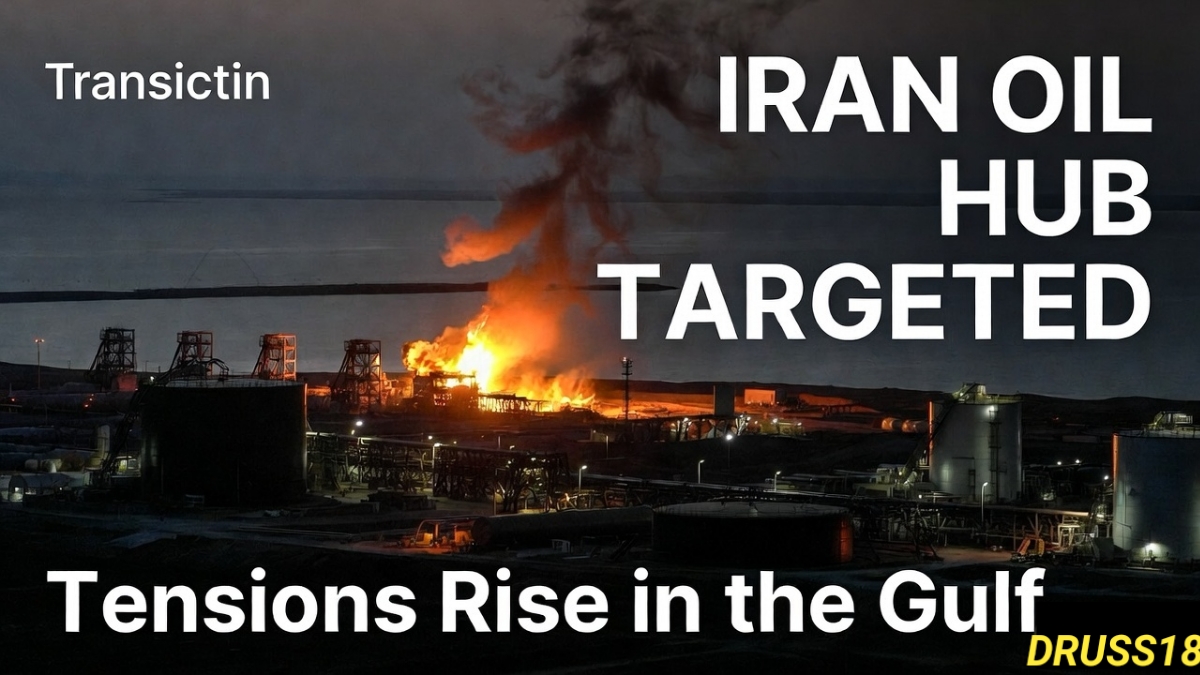
The U.S. attack on Iran’s Kharg Island has drawn global attention as tensions in the Persian Gulf continue to rise. Kharg Island is Iran’s most important oil export hub, and the strike reportedly targeted military facilities while avoiding the island’s most sensitive oil infrastructure. The development has raised concerns in global energy markets because any disruption near Kharg Island could affect crude shipments and international fuel prices.
A U.S. military strike on Iran’s Kharg Island has raised fresh concerns about tensions in the Persian Gulf, but the operation appeared to avoid the island’s most sensitive oil infrastructure. Kharg Island is Iran’s primary oil export hub, and any direct hit on its storage terminals or loading facilities could disrupt global energy markets. Initial information suggests the attack targeted nearby military-related sites while steering clear of the main crude export facilities that handle a large share of Iran’s oil shipments.
Strategic Importance of Kharg Island
Kharg Island sits in the northern Persian Gulf and plays a central role in Iran’s energy economy. A large portion of the country’s crude oil exports pass through the island’s terminals before being shipped to buyers across Asia and other regions. The island hosts massive storage tanks, offshore loading jetties, and pipelines that connect to oil fields across southern Iran.
Because of this concentration of energy infrastructure, Kharg Island is considered one of the most strategically sensitive locations in the region. Any major damage to its oil facilities could remove millions of barrels of oil per day from global supply, potentially triggering sharp price increases in international markets.
For that reason, military planners often treat the island’s oil terminals as highly risky targets. Striking them could cause environmental damage, disrupt shipping lanes in the Gulf, and provoke a wider economic crisis.
Details of the Reported Strike
Early reports indicate that the U.S. operation focused on military installations linked to Iran’s regional security activities rather than oil infrastructure itself. Targets may have included radar systems, logistical facilities, or positions connected to maritime operations in the Gulf.
By avoiding the large crude storage tanks and export terminals, the strike appeared designed to send a strategic signal while limiting the immediate impact on the global energy system. Analysts say such an approach reflects a balancing act: demonstrating military capability without triggering an economic shock that could affect countries far beyond the Middle East.
Kharg Island is also home to defensive systems intended to protect Iran’s energy lifeline. Over the years, Tehran has reinforced the island with air defenses and security forces because of its economic importance.
Why Energy Markets Are Watching Closely
Global oil markets react quickly to developments involving major supply hubs. Kharg Island handles a significant share of Iran’s crude exports, and even the possibility of disruption can cause traders to reassess supply risks.
Energy companies, shipping operators, and governments around the world monitor the Persian Gulf closely because a large portion of global oil passes through the region’s sea routes. Any conflict that threatens infrastructure or tanker traffic can affect fuel prices, transportation costs, and inflation in many countries.
For ordinary consumers, these developments can eventually translate into higher fuel prices, increased transportation costs, and rising prices for goods that depend on energy and shipping.
Regional Tensions Behind the Incident
The strike comes amid ongoing tensions between the United States and Iran over security issues in the Middle East. Over the years, both countries have accused each other of actions that threaten stability in the region, including attacks on military personnel, shipping routes, and allied forces.
The Persian Gulf has seen repeated periods of confrontation involving drones, missiles, and naval incidents. Because several major oil producers operate along the Gulf coastline, the area remains one of the world’s most sensitive geopolitical flashpoints.
Iran has previously warned that attacks on its territory could provoke retaliation, while U.S. officials have often stated that military action is aimed at protecting forces and deterring further threats.
Risks of Escalation
Even when key oil facilities are avoided, any military action near a major energy hub carries the risk of escalation. A miscalculation, accidental damage, or retaliatory strike could quickly expand the scope of conflict.
Shipping companies may respond by adjusting routes or increasing security measures if tensions rise. Insurance costs for tankers operating in the region can also increase during periods of instability, which ultimately adds to the cost of transporting oil.
Governments in energy-importing nations often follow these developments carefully, as disruptions in Gulf supply routes could affect national energy security and economic stability.
What Could Happen Next
The immediate impact of the strike may depend on how Iran responds. Diplomatic channels, regional security alliances, and military readiness will likely shape the next phase of events.
If both sides avoid further escalation, the situation could remain limited to isolated incidents. However, continued confrontation near critical infrastructure like Kharg Island would keep global markets on alert.
For now, the fact that the most sensitive oil facilities appear to have been spared has helped prevent an immediate shock to global energy supply. But the incident highlights how quickly tensions around a single strategic location can ripple through international politics, energy markets, and the daily lives of people around the world.