- Author: Dras Ateen
- Category: Global
- Date: April 13, 2026
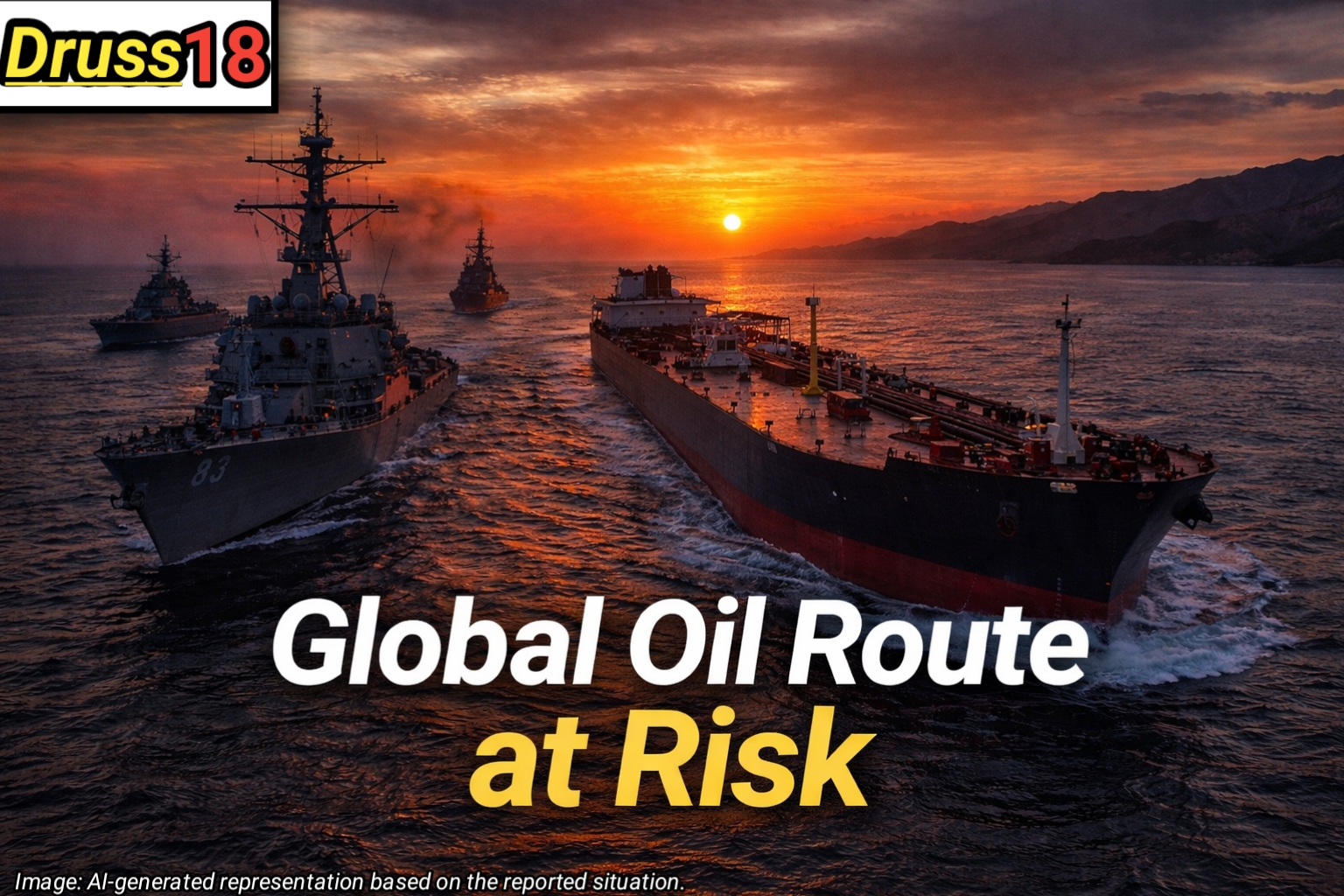
A sharp escalation in rhetoric surrounding the US blockade Strait of Hormuz has triggered fresh global anxiety, as Donald Trump signaled that Washington could move to intercept ships linked to Iranian toll payments. The statement touches one of the world’s most critical maritime chokepoints, immediately raising concerns over energy security, military confrontation, and fragile diplomacy.
The Strait of Hormuz carries a significant portion of the world’s oil exports, connecting the Persian Gulf to global markets. Any suggestion of a blockade—defined as restricting maritime access for strategic or military purposes—signals a potential disruption far beyond regional politics.
Context and Developments
The remarks emerge amid already strained relations between the United States and Iran. While no official operational order has been confirmed, the language reflects a hardened posture toward Iran’s maritime influence, particularly its alleged collection of fees or toll-like payments from vessels.
As widely reported across global coverage, tensions around the strait have historically led to military standoffs, with both sides accusing each other of destabilizing navigation routes. The current situation remains fluid, with no confirmed enforcement action at the time of writing.
What “Blockade” Could Mean
In practical terms, a blockade would involve naval monitoring, inspections, or even interception of commercial ships. Such a move could challenge international maritime law, depending on execution and justification.
Experts often caution that even limited enforcement actions in the strait could escalate quickly. The region’s narrow geography leaves little room for error, increasing the risk of accidental confrontation.
US-Iran Peace Talks in Question
The timing of the statement raises additional questions about ongoing or potential US-Iran peace talks. While no formal breakdown has been universally confirmed, the rhetoric suggests diminishing diplomatic momentum.
Different regional narratives present contrasting interpretations. Some analysts view the statement as pressure tactics aimed at forcing concessions. Others warn it could signal a shift toward more direct confrontation.
Global Impact: Oil, Security, and Trade
The implications extend well beyond the Middle East:
Energy Markets: Any disruption in the Strait of Hormuz could immediately affect global oil supply chains.
Shipping Costs: Insurance premiums and freight costs may rise sharply under heightened risk conditions.
Military Risk: Increased naval presence raises the probability of miscalculation or escalation.
Historically, even minor incidents in the strait have triggered spikes in oil prices and volatility across financial markets.
Scenario Analysis
Best Case: The statement remains rhetorical, used as leverage in negotiations.
Worst Case: Naval enforcement begins, leading to direct confrontation or disruption of oil flow.
Most Likely: Continued tension with intermittent diplomatic signals and military posturing.
Outlook
At this stage, the situation remains a developing geopolitical flashpoint. Without confirmed operational steps, uncertainty dominates. However, the strategic importance of the Strait of Hormuz ensures that even verbal escalation carries real global consequences.
Summary
The US blockade Strait of Hormuz warning has raised global concern over oil supply and security.
No confirmed military action has been taken yet, but tensions with Iran are rising.
The situation could impact global trade, energy prices, and regional stability.
Source Credits
Based on widely reported international coverage and geopolitical analysis
Verified general knowledge of maritime trade routes and regional tensions
No single-source dependency; cross-referenced global narratives